Is The Smithsonian Free?
Yes, Smithsonian admission is free, but two of its DC museums require a free timed pass and zoo parking is paid. Here is exactly what is free, what needs a pass, and what is not.
Is The Smithsonian Free?
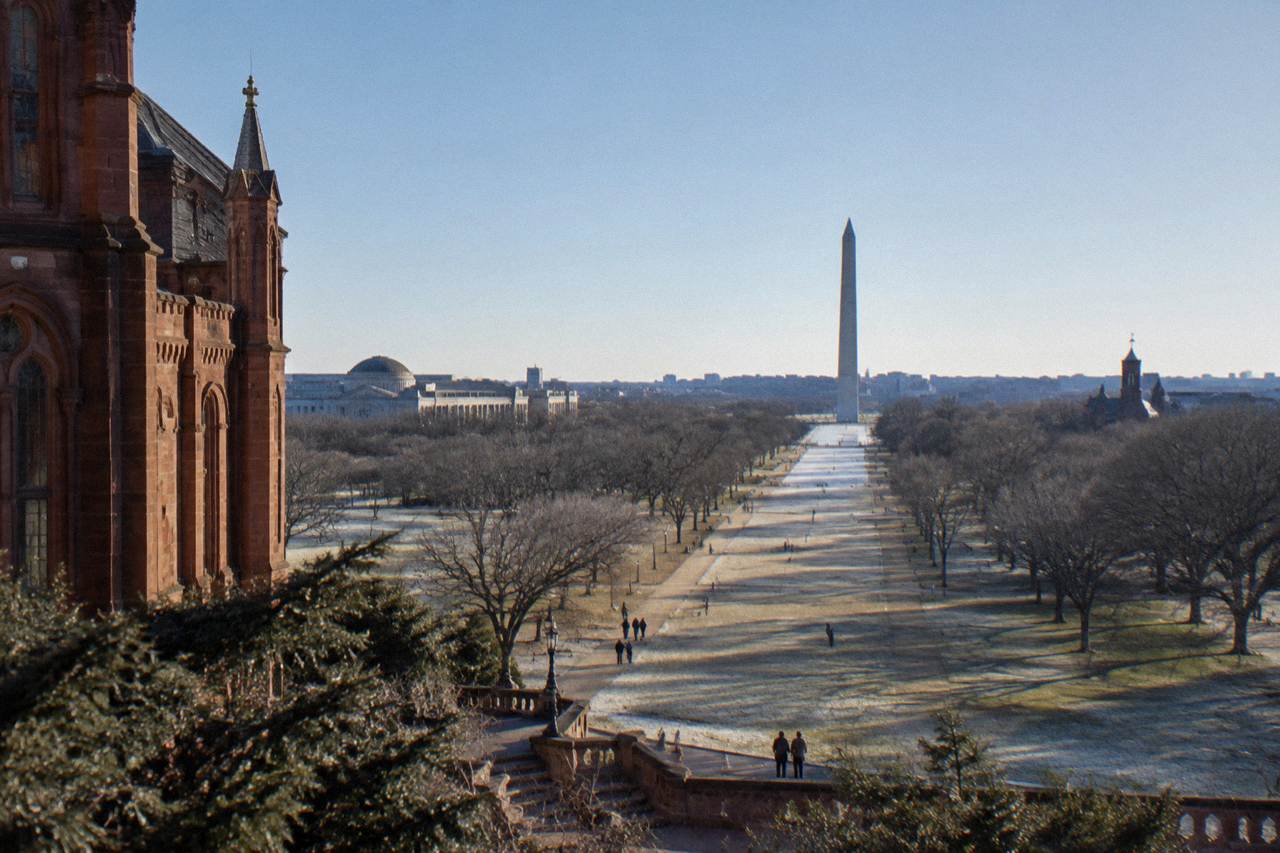
Yes, Smithsonian admission is free: the institution's 20 museums and the National Zoo charge no entry fee, and most DC museums are walk-in free with no ticket at all. The exceptions are the National Museum of African American History and Culture and the Air and Space Museum's DC building, which are still free but require a timed-entry pass booked in advance. Nothing in the Smithsonian's DC collection charges a dollar for admission itself.
That short answer carries a lot of weight for a city that drew a record 27.2 million visitors in 2025, many of them heading straight for the Smithsonian's buildings along the National Mall. The institution's founding gift from James Smithson came with the condition that it increase and diffuse knowledge, and free admission has been the practical result of that mandate for well over a century. Ten of the museums sit directly on the Mall between 15th and 3rd Streets, six more are within about a mile and a half of it, and the rest reach out to New York City and Virginia.
The free label is genuine, but it is not uniform, and treating it as uniform is how visitors end up at a museum door with no pass on a sold-out day. The National Museum of African American History and Culture has required free timed passes since it opened, and the Air and Space Museum's DC building joined the timed-pass system during its multi-year renovation. Both passes cost nothing. Both, however, have to be booked, and both can run out on peak days.
There is also a boundary question that trips people up: the Smithsonian's National Zoo is free to enter, but its parking is not, at $30 booked in advance or $40 on the day. And several popular DC attractions that visitors mentally file under "Smithsonian" are nothing of the sort, which is why this site, Free Things To Do In Washington DC, keeps the institution's rules separate from the city's other free draws.
The scale of the institution is worth pausing on, because it explains why the free question gets asked so often. A visitor standing on the Mall can see half a dozen museum buildings without turning their head, and every one of them is free to enter. No other city in the United States offers anything comparable, and few anywhere in the world match it. The Smithsonian's own factsheet counts 20 museums plus the zoo, and the visitor spending that flows through the city, a record $11.9 billion in 2025, is built substantially on the back of free institutions pulling people into town.
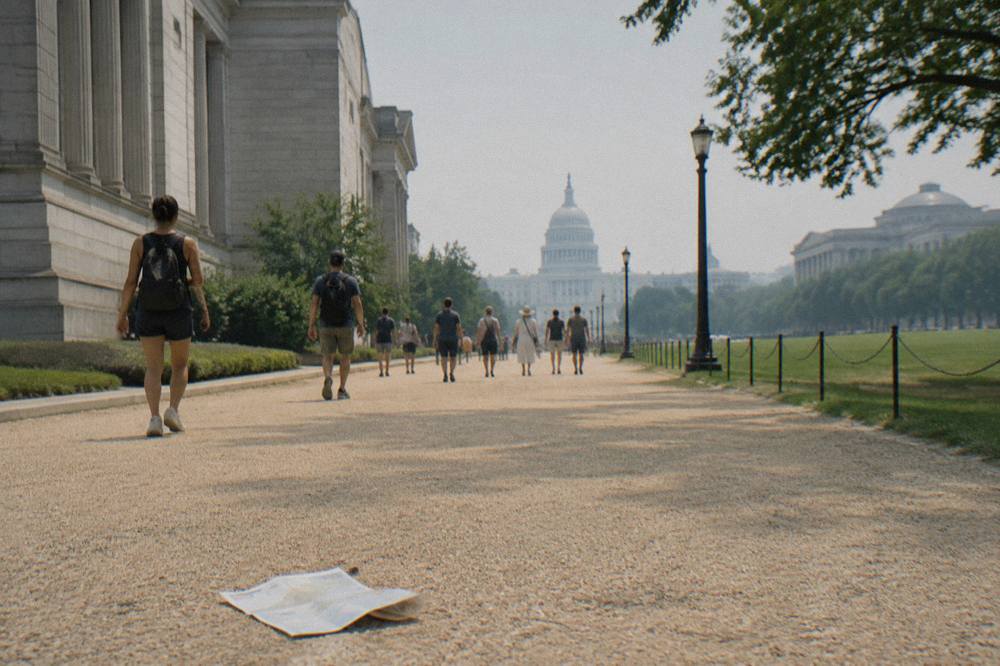
If your plan is museums in the morning and monuments after, the free walks on this site slot in between them. The trio below covers the same ground the museums sit on.
Which Smithsonian Museums Can You Walk Into Without A Ticket?
Most of them. In DC, the National Museum of Natural History, the American History Museum, the American Indian Museum, the American Art Museum, the Portrait Gallery, the Freer and the Museum of Asian Art, the Hirshhorn, the Postal Museum and the Renwick all admit walk-up visitors free with no pass. The two pass-required museums are the National Museum of African American History and Culture and the Air and Space Museum's DC building.
That is the whole distinction, and it matters because the walk-in museums let you improvise. You can leave Natural History when the crowds get thick, cross the Mall to American History, and come back later without having booked anything. The pass museums reward planning instead, since their passes release on a rolling basis and popular days go quickly.
| Smithsonian venue in DC | Admission | Ticket needed? |
|---|---|---|
| National Museum of Natural History | Free | No, walk in |
| National Museum of American History | Free | No, walk in |
| National Museum of the American Indian | Free | No, walk in |
| Smithsonian American Art Museum | Free | No, walk in |
| National Portrait Gallery | Free | No, walk in |
| Freer Gallery of Art | Free | No, walk in |
| National Museum of Asian Art | Free | No, walk in |
| Hirshhorn Museum | Free | No, walk in |
| National Postal Museum | Free | No, walk in |
| Renwick Gallery | Free | No, walk in |
| National Museum of African American History and Culture | Free | Yes, timed pass |
| Air and Space Museum (DC building) | Free | Yes, timed pass |
The walk-in list covers most of what a first-time visitor wants to see. Natural History holds the dinosaur halls and the Hope Diamond, American History holds the Star-Spangled Banner, and the American Art Museum and Portrait Gallery share a building a few blocks off the Mall in the former Patent Office. The Renwick, a short walk from the White House, is the craft and decorative-arts wing and often the quietest of the lot.
The official count of museums and their locations is on the Smithsonian's own visit page, which lists all 20 museums plus the zoo and is the right place to check hours before you go. Hours shift by season and by building, and a museum that is open late on one day may close early on the next.
A practical way to use the walk-in freedom is to plan a loose loop rather than a fixed itinerary. Start at the museum that matters most to you, work outward along the Mall, and let the day's energy decide the rest. Because nothing on the walk-in list needs a booking, the only real constraint is closing time, and the only real cost is lunch. Families with children tend to gravitate to Natural History first, art lovers to the Hirshhorn and the American Art Museum, and anyone with an hour to spare to the Renwick, and all three instincts are correct.
A day built around the walk-in museums pairs naturally with the memorial corridor at the Mall's west end, which is exactly the ground the Daytime Monuments Walk covers. That free, pay-what-you-want walk, rated 4.4 across 324 GuruWalk reviews, runs two hours in English from the World War II Memorial, and it stitches together the Lincoln, Vietnam and Korean War memorials that sit within sight of the museum row. If the museums fill your morning, the walk fills your afternoon, and the Daytime Monuments Walk tour page has the meeting point and schedule.
Why Do Some Smithsonian Museums Need A Timed Pass?
Crowd control, not revenue. The National Museum of African American History and Culture and the Air and Space Museum's DC building both cap the number of people inside at once, and the free timed pass is how they do it. Passes for the African American History museum release up to 30 days in advance on a rolling basis, with same-day passes posted online by about 8:15 a.m. Eastern.
The African American History museum has been pass-only since it opened, when demand so far exceeded capacity that walk-up entry was simply unworkable. The system has stayed in place because it works: the museum stays full without ever being unsafe, and visitors with a pass know they will get in. Passes are booked through tickets.si.edu, and the museum's own plan-your-visit page spells out the release windows.
Air and Space went the same route while its DC building is rebuilt in phases. The building on the Mall has been reopening gallery by gallery, and timed passes keep the reduced public space from feeling like a subway platform. The Udvar-Hazy Center out by Dulles Airport in Virginia, the museum's second and much larger site, does not need a pass, which makes it a good fallback when the Mall building's passes are gone.
The practical advice is to book both passes the day they become available to you, and to treat the same-day release as a backup rather than a plan. Peak seasons, holidays and cherry blossom season in late March and early April exhaust passes fastest. If a pass day does not come together, the walk-in museums a few blocks away are the consolation prize, and they are a good one.
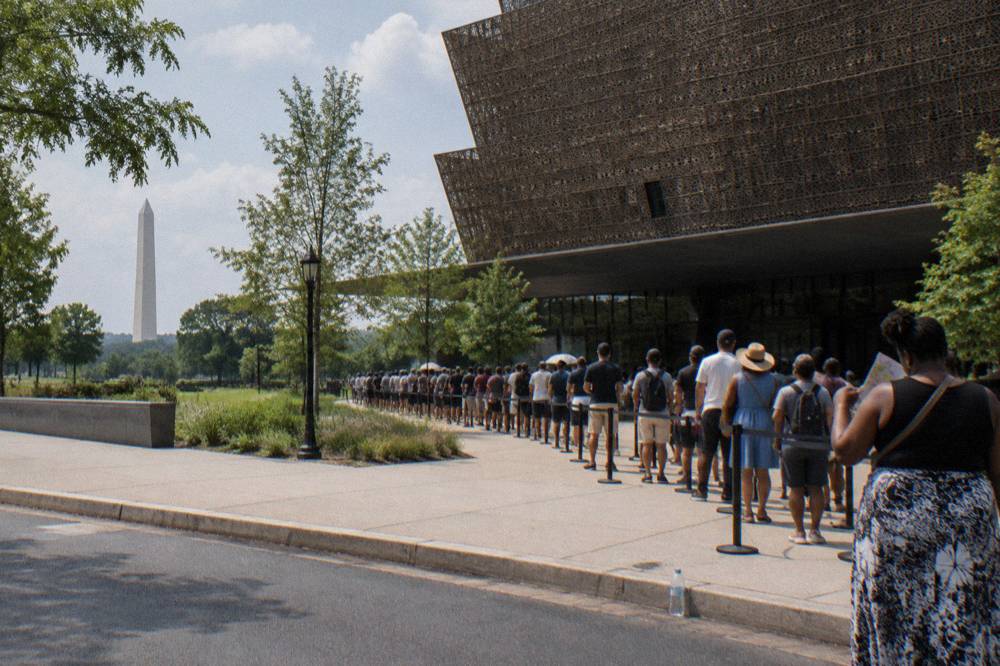
One more pass-adjacent fact worth knowing while you plan: the Holocaust Memorial Museum, which is on the Mall but is not a Smithsonian museum, also requires a free timed-entry pass year-round. Advance booking is recommended, especially in peak season. It is a federal museum with its own rules, and it belongs on the same planning list as the two pass-required Smithsonian venues even though it answers to a different institution.
If the pass system feels like a lot of scheduling for a free trip, it is worth remembering that the passes themselves cost nothing and the walks that fill the rest of the day cost nothing either. A museum morning, a pass booked weeks out, and a free evening walk add up to a full DC day with no admission spending at all, and the question of which walk to book is really a question of timing and taste.
Evening is when the pass system stops mattering, because the memorials never close and never need a ticket. The Monuments By Moonlight, Evening Walk, a free, pay-what-you-want walk rated 4.26 across 65 GuruWalk reviews, runs an hour and a half in English from the Albert Einstein Statue, and the lit-up Lincoln and World War II memorials after dark are a different experience from the daytime version. Pair it with a museum day rather than trying to do both halves at once.
Is The Smithsonian National Zoo Free?
Yes, zoo admission is free, because the National Zoo is a Smithsonian museum in its own right: the National Zoological Park. Entry costs nothing every day of the year. The catch is parking, which is not free at all: the zoo's own lots charge $30 booked in advance or $40 on the day, which can exceed what a family spends on everything else in a day.
The zoo sits in Woodley Park, well north of the Mall, and it is one of the oldest zoos in the country. Its headline residents are the giant pandas, and the free admission means a visit costs whatever you spend getting there and nothing more. Metro's Red Line drops you at Cleveland Park or Woodley Park station, both a short walk from the entrance, and taking the train turns the whole visit genuinely free.
The parking fee is the zoo's main revenue stream from visitors, and it is run separately from admission. That split is worth knowing before you drive: a car that arrives without a booking pays the higher day-of rate, and the lots fill on nice weekends regardless. The zoo's own site is the place to confirm current rates and lot status before driving.
For a full breakdown of the zoo's admission and parking rules, including how the advance booking discount works, see the site's dedicated piece on whether the Smithsonian National Zoo is free. The short version: enter free, park for a fee, take Metro if the budget is zero.
The zoo's free admission also makes it one of the best family days in the city, because children cost nothing to bring and the zoo's layout, a long valley sloping down from Connecticut Avenue, keeps even a long visit interesting. Budget a half day rather than an hour, wear real walking shoes, and arrive near opening if you want the animals at their most active. None of that advice costs anything either, which is the general theme of the whole institution.
How Many Smithsonian Museums Are There And Where?
Twenty museums plus the National Zoo. Ten museums sit directly on the National Mall between 15th and 3rd Streets, six more are within about a mile and a half of it, two are in New York City, and the Udvar-Hazy Center is in Virginia near Dulles Airport. The full count is on the Smithsonian's own factsheet, which also tracks the institution's scale.
The Mall ten are what most visitors mean when they say "the Smithsonian." Walking the full row from the Capitol grounds to the Lincoln Memorial covers roughly two miles and passes the Natural History, American History, American Indian, African Art, Asian Art, Hirshhorn, Air and Space and African American History museums, plus the Smithsonian Castle and the Arts and Industries Building. The Smithsonian's official factsheet is the primary source for the count and the locations.
The off-Mall six reward the walk-in impulse. The Portrait Gallery and American Art Museum share the old Patent Office building in Chinatown, the Postal Museum sits next to Union Station, and the Renwick is near the White House. None of them needs a pass, and all of them are less crowded than the Mall buildings on a summer Saturday.
The geography has a planning consequence that is easy to miss: the off-Mall museums are often the better choice on the busiest days. When the Mall is thick with tour groups and school trips, the Portrait Gallery's courtyard and the Postal Museum's stamp vaults stay comparatively calm, and both are a short Metro ride from the Mall cluster. A visitor who books the two pass-required museums for the morning, then escapes to Chinatown for the afternoon, gets the best of both halves of the institution without fighting the crowds.
The Mall corridor itself is the free-est stretch of free in the country, and a different operator walks it too. Blue Umbrella's Mall Walk, Another Operator, run on freetour.com and rated 8.7 out of 10 across 143 freetour.com reviews, covers the Mall in two and a half hours in English. It is a free, pay-what-you-want walk like the GuruWalk options, and it gives the museum row a guide's-eye narrative rather than a map's.
Is Everything Near The Smithsonian Museums Also Free?
No, and the boundary matters. The National Gallery of Art, the Archives, the Capitol Visitor Center and the Library of Congress are free but not Smithsonian, while the International Spy Museum and the Museum of the Bible charge admission. The Spy Museum's price is dynamic with no published figure, and the Museum of the Bible charges $34.99 for adults, free on Tuesdays through May 18, 2027.
Visitors conflate the free museums on the Mall with the Smithsonian, and the two sets overlap without matching. The National Gallery of Art is free and sits on the Mall, but it is its own federal-adjacent institution, not a Smithsonian museum. The same goes for the National Archives, the Capitol and the Library of Congress: all free, all with their own rules, and all covered in the site's guide to free government tours of the Capitol, Library of Congress and Archives.
The paid side of the boundary is small but real. The International Spy Museum uses date-based pricing with no static figure on its own site, so any specific dollar amount quoted anywhere should be treated as stale. The Museum of the Bible's $34.99 adult ticket comes with a genuine free window, Tuesdays through May 18, 2027, which is the kind of conditional free this site exists to surface. Washington National Cathedral's sightseeing ticket says "Prices Vary" on its own page, though its worship services are open to all.
Two more names sit in an unresolved middle ground: the Folger Shakespeare Library and Planet Word are both commonly described as free in general travel content, but neither's current admission policy could be confirmed against the operator's own page, so no free claim is made for either here. The honest answer for both is to check the venue's own visit page before going.
The practical takeaway from the boundary question is simple: the free zone in DC is enormous, but it is not seamless, and the seams are where budgets leak. A family that assumes everything within sight of the Mall is free can easily spend $100 or more on a single afternoon by drifting into a paid attraction unawares. Knowing which buildings are Smithsonian, which are free-but-not-Smithsonian, and which charge admission is the difference between a free day and an accidental splurge.
If your day mixes the free Smithsonian museums with the pass-required ones and the paid neighbors, a free walking tour is the cheapest way to add structure to the outdoor hours. All three walks on this site are free or pay what you want, and the full comparison of the two platforms running them is in the site's guide to GuruWalk versus freetour.com in Washington DC.
Common Questions About The Smithsonian's Free Admission
Is The Smithsonian Free?
Yes. All 20 Smithsonian museums and the National Zoo are free to enter. Two DC museums, the National Museum of African American History and Culture and the Air and Space Museum's DC building, require a free timed-entry pass, and zoo parking is paid at $30 advance or $40 day-of.
Do you need tickets for the Smithsonian museums?
Most Smithsonian museums in DC need no ticket at all, and you walk straight in. The two exceptions are the National Museum of African American History and Culture and the Air and Space Museum's DC building, both of which require a free timed pass booked in advance or grabbed from the same-day release.
Is the Smithsonian Air and Space Museum free?
Admission is free, but the DC building requires a free timed pass while it is being rebuilt in phases. The Udvar-Hazy Center near Dulles Airport in Virginia is also free and does not require a pass, making it the fallback when Mall passes run out.
Is the National Zoo free if it is part of the Smithsonian?
Yes, zoo admission is free every day. Parking is the paid part, at $30 booked in advance or $40 on the day. The Red Line to Cleveland Park or Woodley Park makes the entire visit free.
How many Smithsonian museums are on the National Mall?
Ten museums sit directly on the National Mall between 15th and 3rd Streets, with six more within about a mile and a half of it. The rest are in New York City and Virginia, including the Udvar-Hazy Center near Dulles Airport.
Is the National Gallery of Art a Smithsonian museum?
No. The National Gallery of Art is free and sits on the Mall, but it is a separate institution with its own governance. The same applies to the National Archives, the Capitol and the Library of Congress: free, but not Smithsonian.