Is The Smithsonian Museum Of Natural History Free?
Yes, the Smithsonian National Museum of Natural History is free to enter, no ticket needed. Here is what that means, which Smithsonian museums are different, and how to pair a visit with a free Mall walk.
Is The Smithsonian Museum Of Natural History Free?
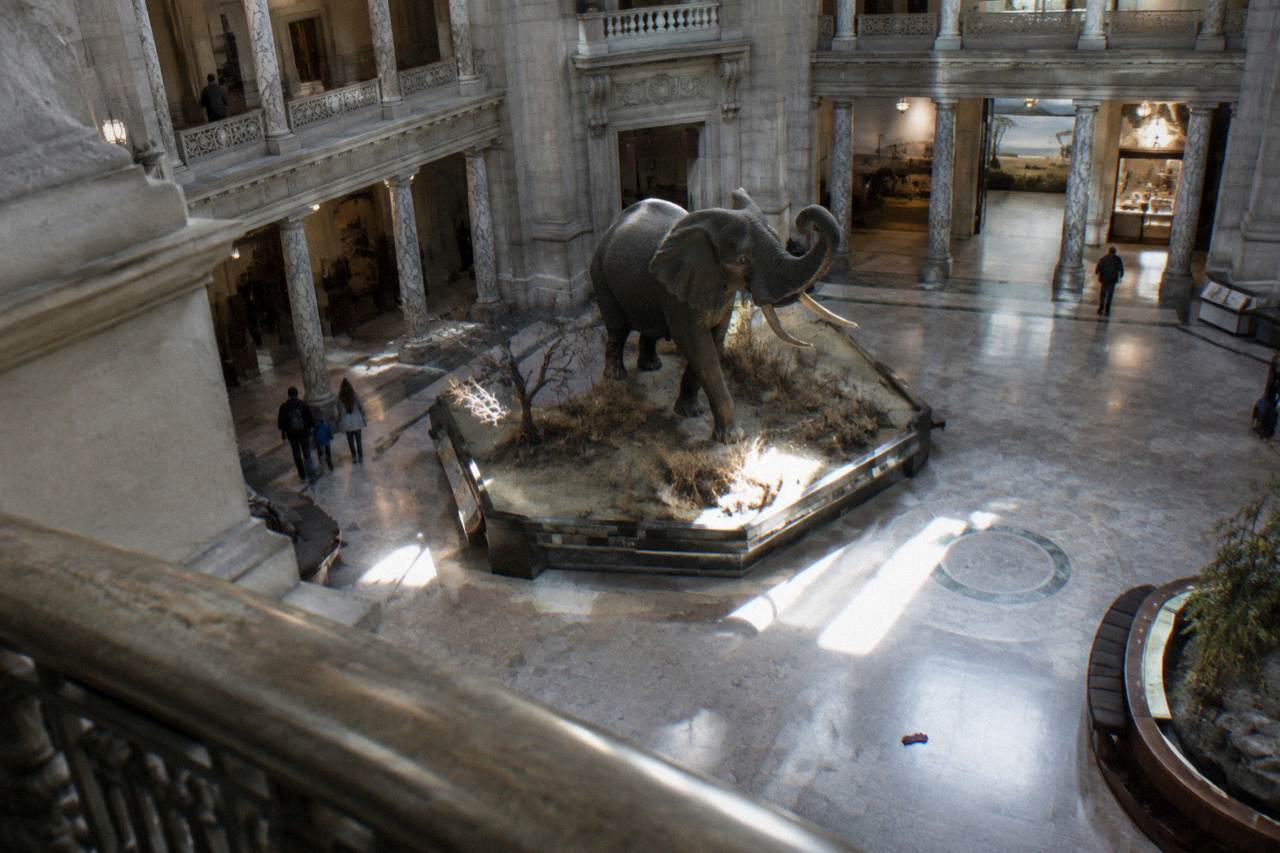
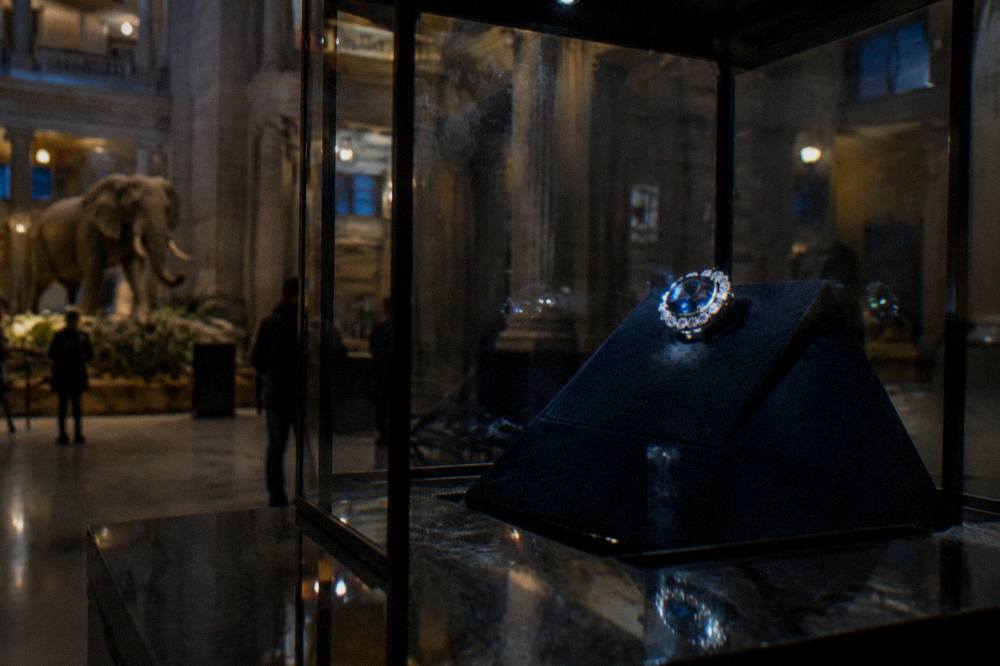
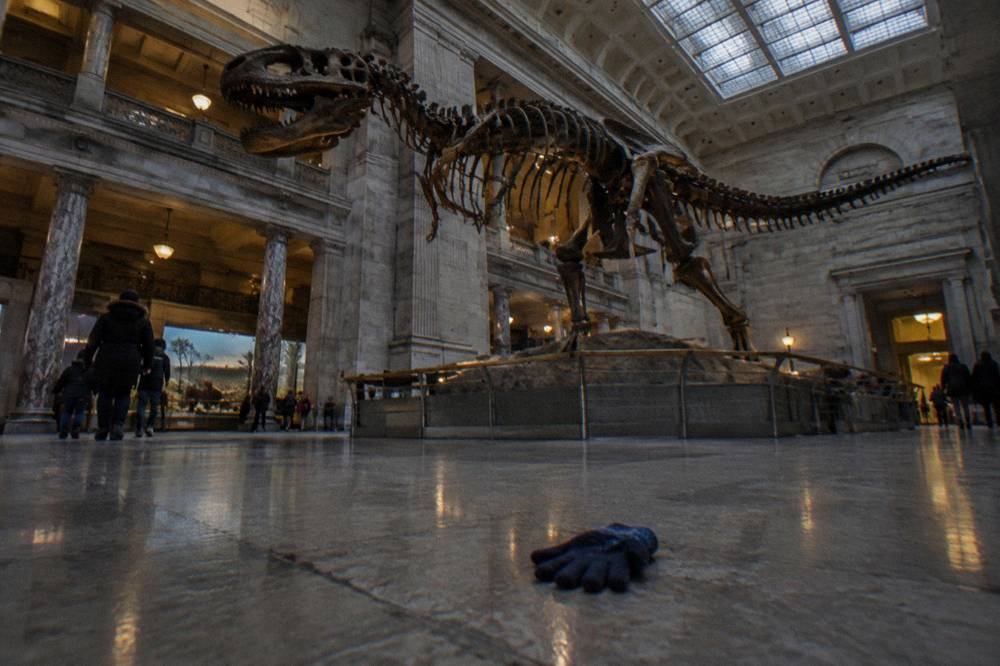
Yes, the Smithsonian National Museum of Natural History is free to enter. General admission costs nothing, and unlike two other Smithsonian museums it does not require a timed-entry pass, so you can walk up and go straight in. The building sits on the National Mall at 10th Street and Constitution Avenue, and its exhibits, including the dinosaur hall and the Hope Diamond, are covered by that free entry.
That single word, free, does a lot of work in Washington DC, and it is worth being precise about what it means here. The museum's admission is genuinely free, with no suggested donation, no pay-what-you-want request at the door, and no ticket to book in advance. You queue for security screening like every Smithsonian visitor, then you are inside. There is no pricing tier, no adult rate, no child rate, no resident discount, because there is no rate at all. The only money you can spend inside is money you choose to spend, on food or the gift shops, and even that is avoidable if you plan around it.
The free entry is not a quirk of this one building. It comes from the Smithsonian Institution's founding logic, which the is the Smithsonian free question covers in detail: the institution was established with a bequest from James Smithson, a British scientist who never visited the United States, on the condition that it increase and diffuse knowledge. Congress funds much of the operation, and the museums in turn charge no admission. That is why the Natural History Museum, the American History Museum, the Hirshhorn, the Air and Space Museum and more all share the same price tag of zero.
The bequest story matters because it explains why the free entry is structural rather than promotional. A museum that runs a limited-time free day can end it; an institution whose charter ties free public access to its reason for existing cannot, at least not without a fight in Congress. Visitors sometimes ask whether the free museums are a temporary arrangement or a marketing loss leader, and the answer is neither. Free admission is the Smithsonian operating as designed, and it has been the design for well over a century.
The scale behind that policy is hard to overstate. The Smithsonian Institution comprises 20 museums plus the National Zoo, according to the institution's own factsheet. Ten of those museums sit directly on the National Mall, six more are within about a mile and a half of it, and the rest are spread across DC neighborhoods, New York City and Virginia. The Natural History Museum is one of the ten on the Mall, which makes it one of the easiest free visits in the city to fold into a day of walking.
That concentration is the quiet advantage most first-time visitors miss. In most cities, a free museum day means choosing one institution and traveling to it. On the National Mall, you can walk between several free museums in an afternoon without ever needing a car, a ticket app or a wallet. The Natural History Museum's position on the Mall's north side puts the American History Museum, the American Indian Museum, the National Gallery of Art and the Air and Space Museum all within strolling distance, and every one of them except Air and Space admits you without a pass.
Do You Need A Ticket For The Natural History Museum?
No. The Natural History Museum requires no ticket, no timed-entry pass and no reservation for general admission. This matters because it is not true of every Smithsonian museum: the Air and Space Museum's DC building and the National Museum of African American History and Culture both require free timed passes even though both are also free. Natural History has no such requirement.
This distinction is the single most common point of confusion for DC visitors, and it is worth spelling out. The Smithsonian's blanket walk-in-free reputation holds for most of its museums, including Natural History, American History, the American Indian Museum, the Freer Gallery and the Renwick. It does not extend to the Air and Space Museum's DC building or to NMAAHC, both of which require a free timed-entry pass booked in advance or grabbed same-day, per the NMAAHC visit page. The two systems look identical from the outside, both free, both on the Mall, so a visitor who books a pass for one museum sometimes assumes all of them need one. They do not.
The reason for the difference is capacity, not ideology. The museums that require passes are the ones whose demand reliably exceeds their room, and the pass system spreads that demand across the day. The Natural History Museum is large enough, and its galleries generous enough, that it absorbs walk-in crowds without the same pressure. That is good news for the spontaneous visitor: of the Mall's big-name Smithsonian museums, the one with the dinosaurs and the Hope Diamond is the one you can decide to visit ten minutes before you arrive.
| Smithsonian museum | Admission | Pass or ticket needed? |
|---|---|---|
| National Museum of Natural History | Free | No, walk in |
| National Museum of American History | Free | No, walk in |
| Air and Space Museum (DC building) | Free | Yes, free timed-entry pass |
| National Museum of African American History and Culture | Free | Yes, free timed-entry pass |
| National Zoo | Free admission | No pass, but parking is paid |
The practical consequence is that the Natural History Museum is one of the most flexible stops in the city. If you are already on the Mall, you can duck in for 20 minutes to see the Hope Diamond and leave, or spend half a day in the dinosaur hall and the ocean hall without having planned anything in advance. The same freedom applies to the National Gallery of Art and the American History Museum, both a short walk away. It is worth saying plainly that this flexibility has a flip side: because everyone can walk in, everyone does, and the museum's busiest hours are the hours when nothing else on the Mall requires planning either.
Because the museum sits on the Mall's north side, it pairs naturally with a walking tour of the monuments. The Daytime Monuments Walk, National Mall is a free, pay-what-you-want GuruWalk run by a guide named Lisa, rated 4.4 across 324 GuruWalk reviews, meeting at the World War II Memorial and running about 2 hours. The museum is a short walk from that corridor, so a morning walk and an afternoon indoors is a classic free day in DC. The walk covers the west Mall corridor, the WWII Memorial and the Lincoln Memorial, and the museum sits east of that ground, which means the walk's endpoint and the museum's front door are connected by the Mall itself rather than by any transit hop.
If you would rather compare the options before committing, the GuruWalk vs freetour.com in Washington DC guide breaks down how the two platforms' free tours differ, and the how free walking tours work guide explains the tipping model that keeps them running. Both are worth a read before a first free tour, because the pay-what-you-want model surprises visitors who expect a booking fee and a fixed price, and the walks here have neither.
Which Smithsonian Museums Are Free, And Which Ones Have A Catch?
Most Smithsonian museums are free with no conditions, but the family is not uniform. Of the institution's museums in the DC area, only the Air and Space Museum's DC building and NMAAHC require a timed pass, and only the National Zoo attaches a real cost, paid parking, to a free admission. Everything else, including Natural History, is walk-in free.
The pattern to understand is that free in Washington DC usually means free with a condition attached somewhere nearby. The National Mall itself is free, but going up the Washington Monument needs a timed ticket, free at the walk-up lodge or a $1 service fee if booked through recreation.gov. Arlington National Cemetery's entry is free, but its tram tour and parking are separately paid. The Smithsonian follows the same shape: the admission is free, the friction lives elsewhere. Once you internalize that pattern, DC stops being a minefield of fine print and becomes a city where you check one condition per attraction and plan accordingly.
That is where a site like Free Things To Do In Washington DC earns its keep, because a first page of search results will tell you the Smithsonian is free and leave it there, and then you arrive at the Air and Space Museum without a pass. The exceptions are not hidden, but they are scattered across different official pages, and each museum's own site describes only its own rules. Nobody at the Natural History Museum will warn you that your next stop needs a booking, because that is not their museum's problem.
For contrast, it helps to look at what a genuinely paid DC museum looks like. The Museum of the Bible charges $34.99 for adults, though it runs free admission every Tuesday through May 18, 2027. George Washington's Mount Vernon charges $30 for visitors 12 and up. The International Spy Museum uses dynamic date-based pricing with no static figure published on its own site. Against that backdrop, the Natural History Museum's unconditional free entry is not just a discount, it is a different category of attraction entirely. A family of four skipping the paid museums in favor of the Smithsonian's free ones saves well over a hundred dollars in a single day, without settling for a lesser experience, because the free museums in DC are the headline attractions, not the consolation prizes.
When Should You Visit, And How Long Should You Allow?
Visit on a weekday morning if you can, and allow at least two hours for the highlights, though the museum rewards a half day. Because no pass is required, you can time a visit around crowds rather than around a booking window, which is a freedom the pass-controlled Smithsonian museums do not give you.
The absence of a timed pass changes how you plan. At NMAAHC, your day is anchored to a slot you booked weeks out or grabbed same-day. At Natural History, your only real constraint is the museum's opening hours and your own stamina, so the best strategy is the unglamorous one: arrive early, hit the dinosaur hall first while the building is quiet, and let the crowds build behind you. Late morning and early afternoon are when the tour groups and school parties move through in waves, and the difference between a 9 a.m. gallery and a 1 p.m. gallery is the difference between standing at the glass and queuing for it. Everything else covered here is indexed on Free Things To Do In Washington DC.
Security screening is the one line you cannot skip, and it moves fastest in the morning. Weekend afternoons are the busiest stretch, especially on rainy days and in summer, when the free museums absorb visitors who planned to be outdoors. School groups move through the building in the late morning during term time, so the first hour after opening is often the calmest window of the day. None of this is a reason to skip a busy afternoon, since the building is big enough that even a crowded day leaves room to breathe in the less famous halls, but it is a reason to order your day deliberately rather than drifting.
Season matters too. Cherry blossom season pulls enormous crowds onto the Mall, with peak bloom landing on March 26, 2026, and the museum sits directly on the blossom corridor between the Washington Monument and the Tidal Basin. If you are visiting in late March or early April, expect the museum to share in that surge, and expect the surrounding paths and Metro cars to share in it even more. Summer brings heat and tour buses, while late fall and midwinter are the quiet seasons, when a weekday afternoon can feel close to private in the smaller galleries.
For the highlights, two hours is a realistic minimum. The Hope Diamond draws a crowd that moves in a slow loop, the fossil hall is large enough to spend an hour in on its own, and the ocean hall's whale is the building's other signature sight. If you are traveling with children, the free things to do in Washington DC for families guide places the museum in a fuller day plan, and the free things to do near the National Mall guide maps what else is within a short walk. Both are worth checking before you commit to a route, because the density of free stops around the museum is the real reason to build your day around this part of the city.
Is Everything Inside The Museum Free Too?
The exhibits are free, but the museum is a building with shops, cafes and occasional ticketed programs inside it. General admission covers every permanent gallery, including the dinosaur hall, the Hope Diamond and the ocean hall, while food, the gift shops and any special ticketed events cost money.
This is the honest fine print that a flat "it's free" answer skips. The galleries themselves, which is what almost every visitor comes for, are all covered by free admission. The building's restaurants and cafes charge normal city prices, the gift shops are gift shops, and the museum occasionally runs special programs or films that carry their own ticket. None of that diminishes the core offer: a family can spend an entire day in the permanent exhibits without paying a cent, and many do exactly that, arriving at opening and leaving at closing without ever opening a wallet.
The same pattern holds across the free Mall. The National Gallery of Art charges nothing for its permanent collection but sells tickets for some traveling exhibitions. The Kennedy Center's Millennium Stage performances are free, its dining is not. DC's free attractions are free at the front door, and the optional extras are priced as extras, which is a fair trade as long as you know it going in. What you should not do is arrive assuming that free admission means a free lunch, because it does not, and the cafes inside the Smithsonian buildings are priced like cafes in any major city center.
If you want to keep the whole day at zero, the simplest move is to eat before you arrive or picnic on the Mall, which is free public space, and treat the museum's cafes as a convenience rather than a plan. The U.S. Botanic Garden, also free, sits at the Mall's east end if you want a second indoor stop, and the National Gallery's sculpture garden is between them. A zero-dollar day on the Mall is genuinely achievable, and thousands of visitors pull it off every week, but it takes a small amount of planning rather than pure improvisation.
How Do You Pair The Museum With A Free Walking Tour?
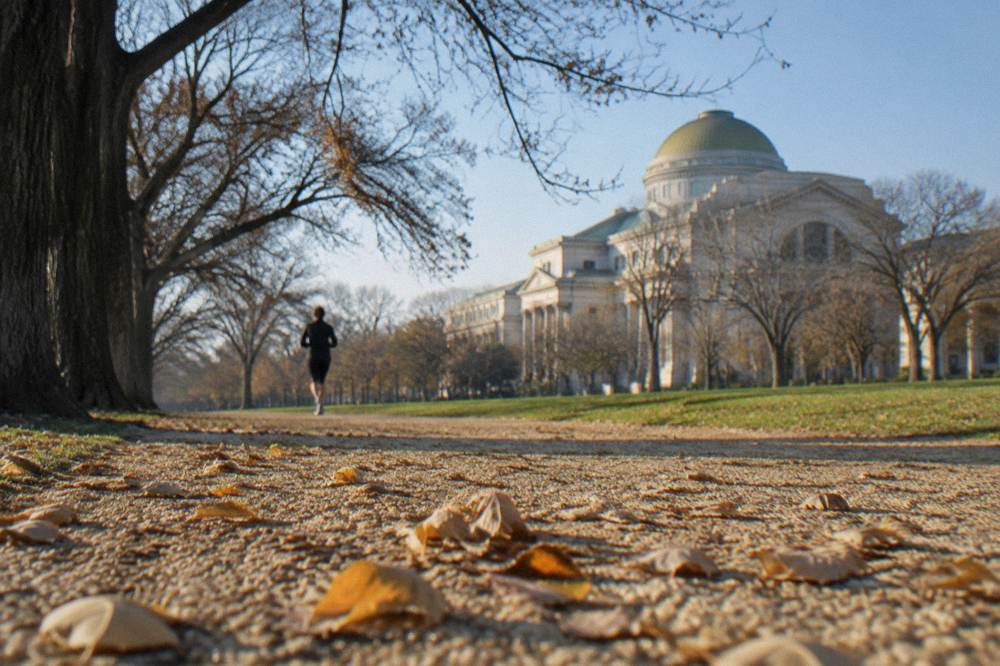
The Natural History Museum sits on the National Mall's north side, so it pairs naturally with a free monuments walk before or after your visit. The two GuruWalk tours and the freetour.com Mall walk all operate on the Mall corridor, and the museum makes an ideal indoor half of a day whose outdoor half is the memorials.
The sequencing is genuinely flexible because the museum needs no booking. A morning walk through the WWII Memorial, the Lincoln Memorial and the west Mall corridor, then a walk east along the Mall to the museum, is the standard shape. In warm months, the reverse works too: the museum's air conditioning is a better afternoon proposition than the reflecting pool's midday sun. Either order costs nothing beyond what you choose to tip the guide, and the walk and the museum together fill a full day without a single paid ticket between them.
The Blue Umbrella's Mall Walk, run on freetour.com by operator Blue Umbrella Tours, is another free, pay-what-you-want option, rated 8.7 out of 10 across 143 freetour.com reviews and running about 2 hours and 30 minutes. It covers the Mall corridor in a longer format than the GuruWalk daytime walk, which suits a visitor whose whole day is the Mall and who wants the museum visit folded in around the tour's endpoints. The evening alternative, DC Monuments by Moonlight, rated 4.26 across 65 GuruWalk reviews, runs 1 hour and 30 minutes from the Albert Einstein Statue and is the pick if you would rather do the museum in the day and the memorials after dark, when the Lincoln Memorial and its neighbors read entirely differently by lamplight.
All three walks are free or pay what you want, which is the model the do you have to tip on a free walking tour in DC post explains in practice. The short version: the guide works for tips, you decide the amount at the end, and a walk that earns nothing from you is still a walk you were entitled to take. That model is also why the walks pair so cleanly with a free museum: neither half of the day has a fixed price, so the whole day is pay-what-you-think-it-was-worth, which is a rare way to visit a capital city.
For a fuller comparison of the free-tour landscape, the free walking tours in Washington DC guide lays out all three walks side by side, and the free monuments and memorials on the National Mall guide covers the ground between their meeting points. Read both before a first visit and you will know exactly which walk fits your day, where each one starts, and what you will be standing in front of when it does.
Common Questions About The Smithsonian Museum Of Natural History
Is The Smithsonian Museum Of Natural History Free?
Yes. General admission is free, with no suggested donation and no timed-entry pass required. You can walk up during opening hours and enter after security screening, and all permanent exhibits, including the dinosaur hall and the Hope Diamond, are covered by that free entry.
Do you need tickets for the Natural History Museum?
No. Unlike the Air and Space Museum's DC building and the National Museum of African American History and Culture, which both require free timed-entry passes, the Natural History Museum admits walk-in visitors with no booking of any kind.
Is the Natural History Museum the same as the Air and Space Museum?
No. They are two separate Smithsonian museums, both on the National Mall. The Natural History Museum covers dinosaurs, gems, oceans and human origins, while the Air and Space Museum covers aviation and spaceflight and requires a free timed-entry pass for its DC building.
How long should I spend at the Natural History Museum?
Allow at least two hours for the highlights: the fossil hall, the Hope Diamond and the ocean hall. A half day is more comfortable if you want to read rather than glance, and families with children often stay longer than that.
Does the museum cost anything for kids?
No. Admission is free for everyone, adults and children alike, with no age-based ticket and no pass. Budget only for food, gift shops or any separately ticketed special program if you choose them.
Can I visit the museum and the monuments in one day?
Yes, and it is a common plan. A free monuments walk on the Mall corridor takes about two hours, and the museum sits a short walk from that corridor, so a morning walk and an afternoon indoors, or the reverse in summer, fits comfortably in one day.