Is The Holocaust Museum In DC Free?
Yes, the United States Holocaust Memorial Museum is free to enter, but it requires a timed-entry pass. Here is how the pass system works and how to plan a visit.
Is The Holocaust Museum In DC Free?
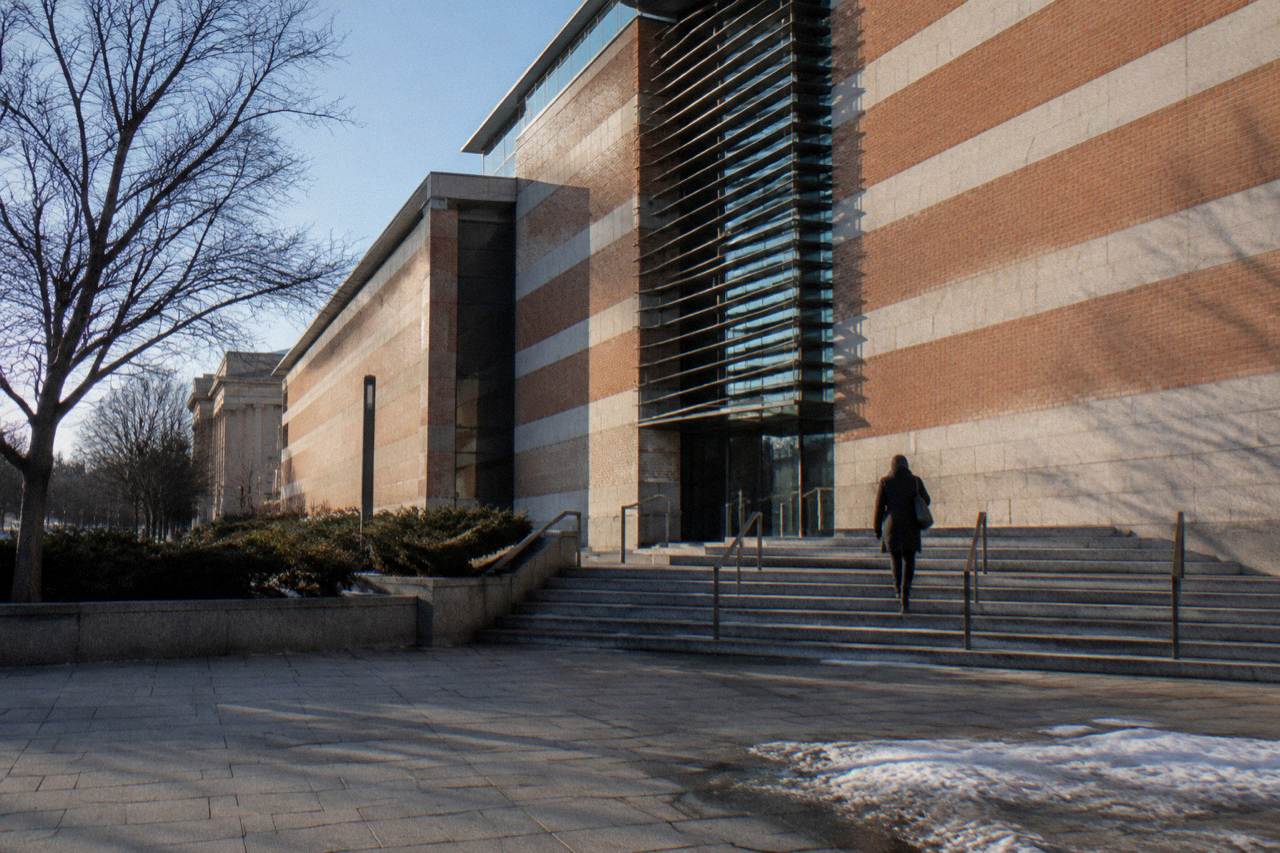
Yes, admission to the United States Holocaust Memorial Museum is free, with one condition attached: every visitor needs a timed-entry pass, even though the pass itself costs nothing. The museum sits just south of the National Mall on Raoul Wallenberg Place, and it is one of the nine conditionally free attractions in Washington DC rather than one of the thirty-one you can walk straight into.
That condition matters more here than almost anywhere else in the city. DC is full of museums where free means free, walk up whenever you like, no ticket, no queue for a slot. The Holocaust Memorial Museum is not one of them. It belongs to the same family of institutions as the National Museum of African American History and Culture and the Smithsonian Air and Space Museum's DC building, both of which also require a free timed pass despite their free admission. The pass system exists because demand for the permanent exhibition consistently outstrips the building's capacity, and the museum would rather stagger visitors through the day than let the halls overcrowd.
The distinction between free and unconditionally free is the whole reason this site exists, and it is worth being precise about it. Calling the museum simply free is true and also slightly misleading, because a visitor who arrives without a pass on a busy spring weekend may not get in at all. Calling it paid would be flatly wrong. The honest phrasing is free with a timed-entry pass, and that is the phrasing used throughout this article.
The museum's own visit pages are the authoritative source for pass rules and opening hours, and they are worth reading before any trip: the museum's official visit information. Nothing in this article overrides what the operator itself publishes, and the mechanics of the pass system can change with the seasons.
If your day in Washington is built around the Mall and its monuments rather than its museums, the free walking tours that cover that corridor are a natural pairing. The roster of free and pay-what-you-want walks in the city is small, three in total, and they are compared honestly in the guide to free walking tours in Washington DC.
Do You Need A Timed-Entry Pass To Visit The Holocaust Museum?
Yes, a timed-entry pass is required for entry, and the pass is free. This is the single condition attached to the museum's free admission, and it applies to the permanent exhibition in particular, where capacity is managed most tightly. Visitors who show up without a pass should expect to be turned away on busy days rather than admitted on the spot.
The pass system is a capacity tool, not a revenue tool. No dollar figure attaches to the pass itself, which separates the museum from attractions like the Washington Monument, where going up is free at the walk-up Lodge but carries a small service fee if you book in advance through the federal reservation system. The Holocaust Memorial Museum's pass is simply a slot with your name on it. You claim it, you arrive in your window, you walk in.
What that means in practice depends heavily on when you visit. In the shoulder seasons, a same-day pass is often realistic, and the museum releases availability through its own channels rather than through a third party. Around the National Cherry Blossom Festival, whose peak bloom fell on March 26 this year, and across the summer school-holiday weeks, the permanent exhibition's passes can be claimed well before the day itself. A visitor planning an April trip should treat the pass as the first thing booked and the hotel as the second.
The museum sits at the edge of the Mall's museum corridor, and most visitors combine it with at least one other stop. The guide to free museums in Washington DC maps which of the Smithsonian buildings need no pass at all, which is useful when you are deciding what to do with the rest of the day after your timed window ends.
If you would rather have a guide than a map, the daytime free walk is the one that covers this ground. The Daytime Monuments Walk, National Mall is run on the GuruWalk platform by a guide named Lisa, rated 4.4 across 324 GuruWalk reviews, and it meets at the World War II Memorial, which is a few minutes' walk from the museum's front door. The walk runs two hours in English, and like every walk in this city's free-tour roster it is pay what you want at the end.
What Can You See Inside The Holocaust Museum For Free?
Everything the museum offers is covered by the free admission: the permanent exhibition on the history of the Holocaust, the changing special exhibitions, and the memorial spaces inside the building. There is no separate paid tier inside, no premium ticket, and no upsell once you are through the doors with a valid pass.
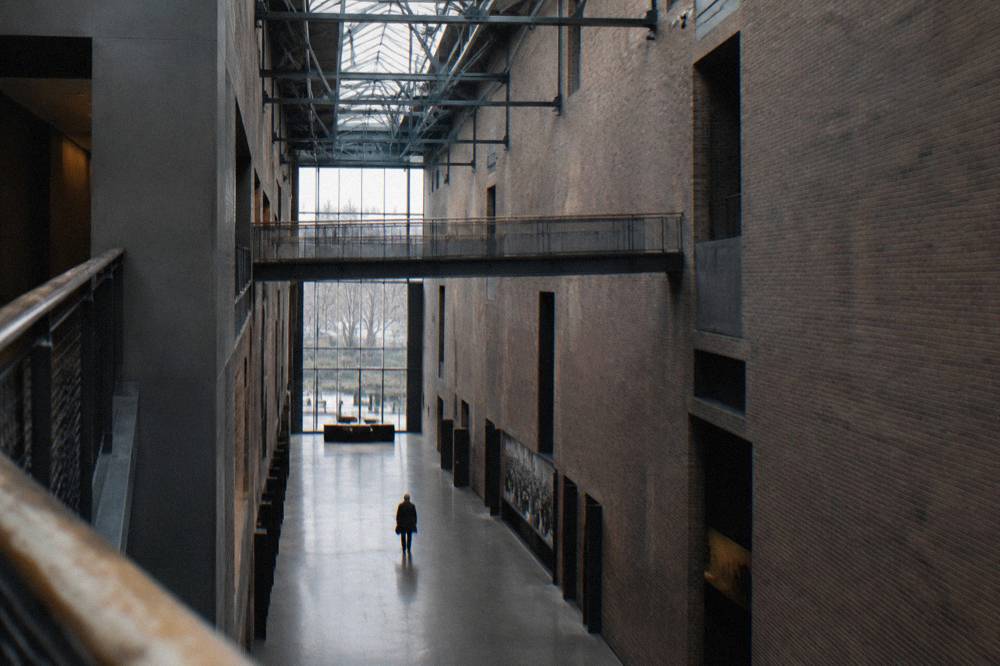
The permanent exhibition is the reason most people come, and it is the part of the museum where the timed-pass system bites hardest. It walks visitors through the rise of Nazi Germany, the Holocaust itself, and the aftermath, using artifacts, testimony, and documentation rather than recreation. The museum's design pushes visitors through a narrative arc, and the building's own architecture, from the narrow bridging spaces to the great central hall, is part of how that story is told. Plan on the permanent exhibition alone taking a couple of hours at a minimum.
Beyond the permanent exhibition, the museum hosts special exhibitions and memorial spaces that rotate over the course of a year. These are included in the same free admission, and on days when the permanent exhibition's passes have run out, they are sometimes the more accessible part of the visit. The museum also runs public programs, survivor talks, and commemorative events, particularly around the museum's own days of remembrance, and these too are free to attend, though some require their own registration.
One honest note for anyone planning a family visit: the permanent exhibition is recommended for visitors aged 11 and up by the museum itself, and the content is presented without softening. Families with younger children often choose the museum's age-appropriate alternatives instead, and the guide to free things to do in Washington DC for families covers gentler options within walking distance, including the Smithsonian museums that need no pass at all.
The museum's location makes it easy to fold into a day on the Mall's south side. It faces the Tidal Basin end of the corridor, within sight of the Bureau of Engraving and Printing, whose tour is also free, and a short walk from the memorials that line the water. A common pattern is a morning pass at the museum followed by an afternoon among the monuments, or the reverse, and either order works.
How Do You Get Holocaust Museum Passes?
Passes are claimed through the museum's own official channels, and the museum's visit page is the only place to get accurate, current mechanics for release times and advance windows. The general pattern is the same one DC's other timed-pass institutions use: a block of advance passes released on a rolling basis, plus same-day availability for visitors who plan late.
The museum does not sell passes and has no third-party reseller, so any website offering to sell you Holocaust Museum entry should be treated with suspicion. The pass is free, full stop. This is worth repeating because lookalike ticketing domains are a known problem in the travel space, and a page that charges for something the institution gives away is either a scam or a middleman adding a markup for nothing. Other pages covering the same trip are gathered on Free Things To Do In Washington DC.
For planning purposes, the reliable approach is to check the museum's own site the moment your travel dates are fixed, claim the earliest advance window you can, and hold a same-day attempt as the fallback. Visitors arriving without a pass are not guaranteed anything, and on peak days the permanent exhibition can be fully claimed before the doors open. The same logic applies across the Mall's timed-pass institutions: the National Museum of African American History and Culture releases passes up to 30 days in advance with same-day availability released in the morning, and the Washington Monument distributes free same-day tickets at the Lodge from roughly 8:45 a.m. with advance reservations carrying a small service fee. Each institution runs its own system, and none of them generalizes to another.
The Smithsonian's own visit pages are the reference point for the museums on the Mall: the Smithsonian's museum directory lists all twenty museums and the National Zoo, and it is the place to confirm which buildings need a pass and which do not.
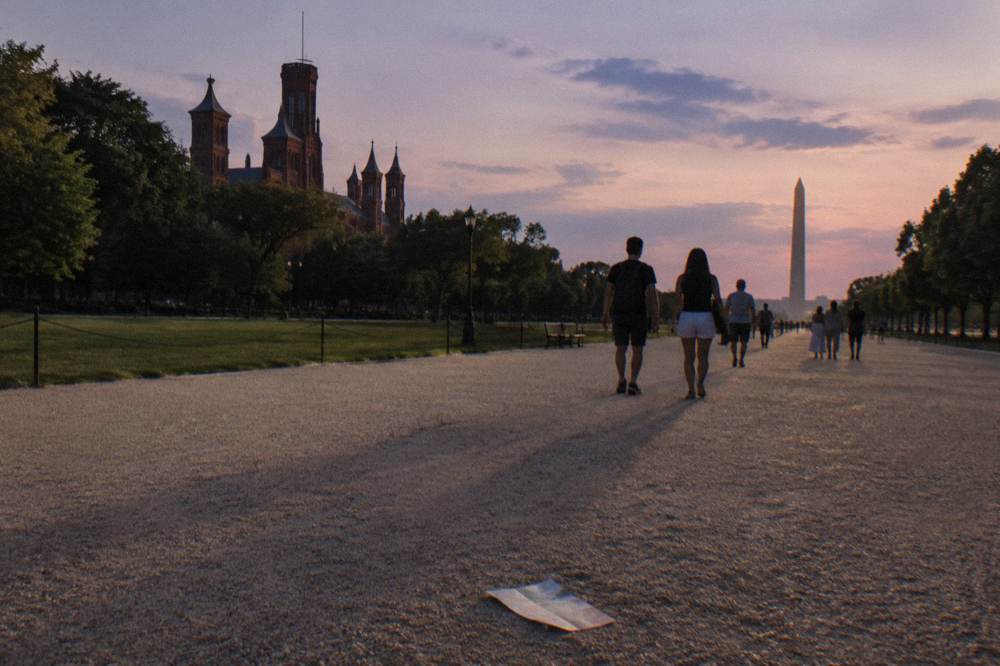
Timing your whole day around a timed pass gets easier when the rest of the day is flexible, and the free monuments on the Mall are exactly that: open, un-ticketed, and walkable at any hour. The Lincoln Memorial, the Vietnam Veterans Memorial, the Korean War Veterans Memorial, and the World War II Memorial all sit on the corridor the free walking tours cover, and none of them requires anything but your feet.
How Does The Holocaust Museum Compare With DC's Other Free Museums?
The Holocaust Museum is one of the most accessible of DC's conditionally free institutions, because its pass is free and its release system is generous. Compared with the walk-in-free Smithsonian museums it demands more planning, but compared with the Capitol or the White House, whose tours run through congressional requests, its barrier to entry is low.
The honest way to think about DC's free attractions is as three tiers, and all forty-two of them sort into one of the three. The first tier is unconditionally free: you arrive, you enter, no ticket, no reservation. The second tier is conditionally free: admission costs nothing but a pass, reservation, or slot is required. The third tier is the small set of genuinely paid attractions, like the International Spy Museum with its dynamic date-based pricing and George Washington's Mount Vernon at $30 for adults, which exist mainly as comparison points.
| Institution | Admission | Entry condition | Tier |
|---|---|---|---|
| Holocaust Memorial Museum | Free | Timed-entry pass required | Conditional |
| National Museum of Natural History | Free | None, walk in | Unconditional |
| Air and Space Museum (DC building) | Free | Timed-entry pass required | Conditional |
| NMAAHC | Free | Timed-entry pass required, released up to 30 days ahead | Conditional |
| National Gallery of Art | Free | None, walk in | Unconditional |
| U.S. Capitol Visitor Center | Free | Reservation recommended | Conditional |
| White House tour | Free | Congressional request only | Conditional |
| International Spy Museum | Paid | Dynamic date-based pricing, no static figure | Paid |
The table's pattern is the one thing worth internalizing: DC's free museums are not a monolith, and the Smithsonian label does not tell you whether a pass is needed. The Holocaust Memorial Museum is not a Smithsonian museum at all, yet its pass system resembles the two Smithsonian buildings that manage capacity the same way. A visitor who assumes all Smithsonian museums are walk-in-free will be caught out at Air and Space and at NMAAHC, and a visitor who assumes the Holocaust Museum's pass means a fee will be pleasantly surprised.
One more comparison belongs here because it confuses people. The Washington Monument's system looks similar from a distance, timed entry, free at the point of use, but it differs in one detail: advance reservations through the federal recreation system carry a small non-refundable service fee per ticket, while same-day tickets at the Lodge are free. The Holocaust Museum's pass carries no fee on any channel. The quick answer on Washington Monument tickets covers that system in full.
Is The Holocaust Museum Part Of The Smithsonian?
No, the United States Holocaust Memorial Museum is not one of the Smithsonian's museums, despite sitting in the same corridor and sharing the free-admission reputation. The Smithsonian comprises twenty museums plus the National Zoo, ten of them directly on the Mall, and the Holocaust Memorial Museum is an independent federal institution outside that count.
The confusion is understandable. Both are federal, both are free, and both sit within a few minutes' walk of one another on the Mall's south side. But the Smithsonian is a specific institution with a specific membership, and the Holocaust Memorial Museum, the National Gallery of Art, the National Archives, and the Capitol Visitor Center all stand outside it while remaining free to visit. The distinction matters practically because the Smithsonian's own pass rules, where they exist, are run through the Smithsonian's ticketing, while the Holocaust Memorial Museum's passes are run through its own channels.
It also matters for anyone trying to budget a DC trip. The city's density of free federal institutions is what makes an inexpensive visit possible: a record 27.2 million visitors came to DC in 2025, generating $11.9 billion in spending, and a large share of those visitors spent little or nothing on attractions because the core of the city is free to enter. A first-time visitor who books passes for the Holocaust Memorial Museum, NMAAHC, and the Washington Monument, and walks into everything else, can see the city's essentials for the cost of food and transit.
The museum's independence also means its commemorative role is distinct. It is a living memorial as much as a museum, and its position on Raoul Wallenberg Place, named for the Swedish diplomat who saved tens of thousands of Jews in Budapest, places it in the city's landscape of memory alongside the memorials of the Mall. Visitors often report that the walk from the museum to the nearby memorials, sitting with the history and then standing where the nation remembers, is the part of the day that stays with them.
For an evening continuation of that same corridor, the moonlit walk is the free option that fits. Monuments By Moonlight, Evening Walk is run on the GuruWalk platform by the same guide, Lisa, rated 4.26 across 65 GuruWalk reviews, and it meets at the Albert Einstein Memorial for an hour and a half in English. Like every walk in this city's three-walk roster, it is pay what you want, and the memorials it covers read entirely differently after dark.
What Should You Know Before You Go?
Bring photo identification, expect airport-style security at the entrance, and plan your visit around the permanent exhibition's recommended minimum age of 11. Passes are checked at the door, late arrival can forfeit the slot, and the museum asks visitors to keep the memorial spaces quiet and unhurried, which is the tone the building itself sets.
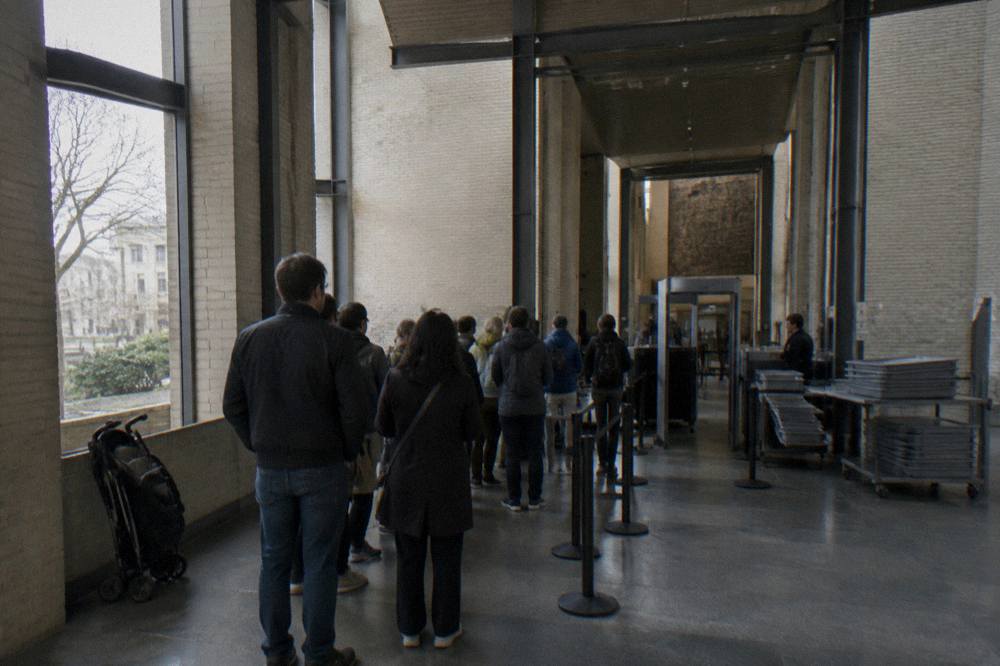
Practical details first. The museum is a federal building, and entry works the way entry to any federal building works: bags are screened, and large bags are best left at the hotel. Passes are checked against the entry queue, and the museum's guidance is to arrive within your timed window rather than early or late. Photography is permitted in most spaces, though the museum asks visitors not to photograph certain sensitive areas, and the guidance posted inside the building is the final word.
The emotional preparation matters as much as the logistics. The permanent exhibition is dense, dark in places, and unflinching by design, and two hours inside it is more tiring than two hours in a conventional museum. Visitors consistently recommend building in a pause afterward, and the Mall itself supplies that pause: the open ground between the museum and the Tidal Basin is one of the most restful stretches of the whole corridor, and the memorials nearby give the visit a natural coda.
If your pass is for late in the day, the morning is best spent on the un-ticketed side of the corridor. The Lincoln Memorial, the World War II Memorial, and the Vietnam Veterans Memorial require nothing but walking, and the guide to free monuments and memorials on the National Mall maps them all with walking distances. The free walking tours cover this same ground with a guide narrating, which suits visitors who want the stories behind the stone rather than the stone alone.
A final note on honesty, because this site trades on it: the museum's pass mechanics, opening hours, and exhibition schedule are the museum's to change, and this article does not freeze them in place. The figures quoted here, the museum's free admission and its timed-pass requirement, are the stable facts. The release times, the advance windows, and the current special exhibitions move with the seasons, and the museum's own visit page is where the live answers live.
Whichever of the three free walks you choose, the pairing logic stays the same: book the museum pass first, since it is the only part of the day with a hard limit on numbers, and let the pay-what-you-want walk fill the hours on either side of your timed window. All three walks in the city's roster are genuinely free at the point of booking, so nothing here needs to be reserved in the way the museum does.
Common Questions About The Holocaust Museum In DC
Is The Holocaust Museum In DC Free?
Yes, admission is free, but every visitor needs a timed-entry pass to enter. The pass itself costs nothing, which places the museum among DC's conditionally free attractions rather than its walk-in-free ones. Claim your pass through the museum's own official channels before you travel.
Do you need tickets for the Holocaust Museum in Washington DC?
Yes, a timed-entry pass is required, and it is free. The pass manages capacity in the permanent exhibition, where demand regularly exceeds space. Same-day passes are sometimes available, but on peak days the permanent exhibition can be fully claimed before opening.
Is the Holocaust Museum part of the Smithsonian?
No. The museum is an independent federal institution. The Smithsonian comprises twenty museums plus the National Zoo, and the Holocaust Memorial Museum sits outside that count even though it shares the free-admission reputation and the same corridor on the Mall.
Can you walk into the Holocaust Museum without a pass?
Not reliably. On quiet days same-day passes may be available, but a visitor who arrives without one on a busy weekend should expect to be turned away. Book the pass first, then plan the rest of your day around it.
How long does a visit to the Holocaust Museum take?
Plan on two hours for the permanent exhibition at a minimum, plus additional time for special exhibitions and the memorial spaces. The museum recommends the permanent exhibition for visitors aged 11 and up, and the content is presented without softening.
What else is free near the Holocaust Museum?
The Bureau of Engraving and Printing's tour, the Tidal Basin memorials, the National Mall itself, and several walk-in-free Smithsonian museums are all within a short walk. The Lincoln Memorial, the World War II Memorial, and the Vietnam Veterans Memorial require no ticket at all, and the free walking tours cover that same corridor with a guide.