Free Museums In Washington DC: Which Ones You Can Walk Into And Which Need A Pass
Most of Washington DC's museums cost nothing to enter, but not all of them work the same way. Two Smithsonian museums require a free timed pass even though admission is free, and a handful of the city's best-known museums charge full price. Here is exactly where the free line sits, museum by museum.
Short answer
Yes, the Smithsonian is free: admission to all 20 Smithsonian museums, including the National Zoo, costs nothing. The catch is that two of them, the National Museum of African American History and Culture and the Air and Space Museum's DC building, require a free timed-entry pass, and National Zoo parking is paid.
The Smithsonian Institution runs 20 museums plus the National Zoo, and admission to every one of them is free. That single fact shapes most trips to Washington: a family can spend four days inside museums that would cost hundreds of dollars in almost any other city on earth. But the blanket phrase "the Smithsonian is free" hides real differences between venues, and travelers who plan around the phrase alone get caught out. Two Smithsonian museums cannot be walked into at all without a timed pass, the National Zoo charges for parking, and several famous museums in this city are not Smithsonian and not free. This guide separates every category honestly, museum by museum, so a day of free culture does not end at a closed door.
Is The Smithsonian Free?
Yes, the Smithsonian is free. Every one of its 20 museums and the National Zoo charges nothing for admission, funded by federal appropriation and private donations rather than ticket sales. The honest caveat is that free does not always mean walk-in: two Smithsonian venues, the National Museum of African American History and Culture and the Air and Space Museum's DC building, require a free timed-entry pass, and the Zoo's parking is paid.
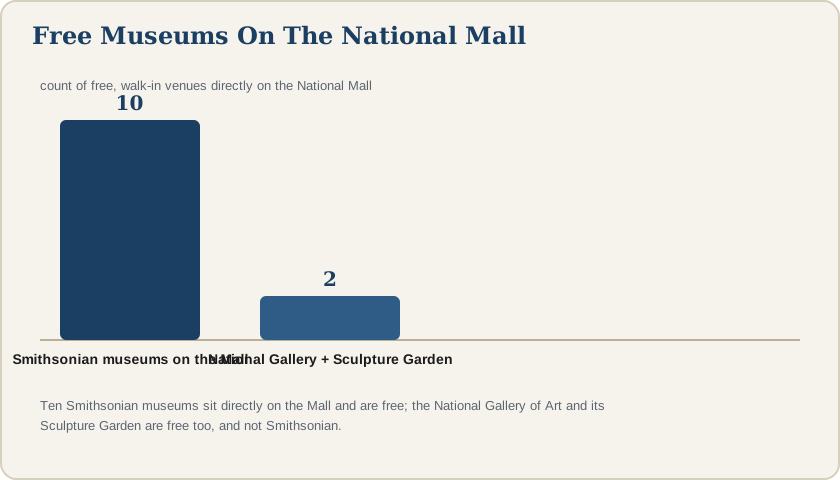
The scale is hard to picture until you stand on the National Mall. Ten Smithsonian museums sit directly on the Mall itself, between 3rd and 15th Streets along Constitution and Independence Avenues, according to the Smithsonian's own museums directory. Six more sit within about a mile and a half of it, including the National Portrait Gallery and the Smithsonian American Art Museum downtown, the Renwick Gallery near the White House, and the National Postal Museum beside Union Station. The Udvar-Hazy Center, the Air and Space Museum's giant hangar of aircraft, is out in Virginia near Dulles Airport, and two Smithsonian museums are in New York City.
The funding model explains the price. Congress appropriates the bulk of the Smithsonian's budget, with private contributions and endowment earnings on top, so the institutions are supported the way a public park is supported rather than the way a commercial attraction is. That is also why the institution can keep admission at zero permanently rather than as a promotion: there is no business reason to charge, and a 2025 record of 27.2 million visitors to Washington generated $11.9 billion in visitor spending without museums selling a single general-admission ticket.
The distinction that matters for planning is between free and walk-in. Most Smithsonian museums are both: you arrive, you walk through the door, you go through security, and you are inside. A small number are free but gated behind a reservation system, because their capacity is genuinely smaller than their demand. Those are listed in full in the next section, and they are the reason a trip planned around the words "the Smithsonian is free" can still fail.
Which Smithsonian Museums Need A Timed Pass?
Two Smithsonian museums require a free timed-entry pass: the National Museum of African American History and Culture and the Smithsonian Air and Space Museum's DC building on the Mall. Every other Smithsonian museum is walk-in free with no reservation. Passes for both cost nothing, are released up to 30 days in advance on a rolling basis, and same-day passes appear online in the morning.
The National Museum of African American History and Culture is the strictest case. Every visitor needs a timed pass, every day, with no walk-up line. Passes are released through the Smithsonian's ticketing system up to 30 days ahead on a rolling basis, and a batch of same-day passes is made available online at roughly 8:15 a.m. Eastern, per the museum's own plan-your-visit page. In peak seasons, spring break, summer, and the Cherry Blossom Festival window, the advance passes go quickly, so booking the moment the 30-day window opens is the reliable play.
The Air and Space Museum's DC building reopened after its multi-year renovation with the same system: free admission, timed pass required. The museum's capacity is deliberately limited while galleries continue to open in phases, so the pass controls crowding rather than revenue. The Udvar-Hazy Center in Virginia, by contrast, is the same museum family with no pass requirement, and its hangar floor holds the Space Shuttle Discovery, a Concorde, and the Enola Gay, which makes it the escape valve when Mall passes are gone.
| Museum | Admission | Reservation needed | How to get in |
|---|---|---|---|
| National Museum of African American History and Culture | Free | Timed pass, every visitor, every day | Up to 30 days ahead or same-day online |
| Air and Space Museum (DC building) | Free | Timed pass | Advance or same-day online |
| National Museum of Natural History | Free | None | Walk in |
| National Museum of American History | Free | None | Walk in |
| National Museum of the American Indian | Free | None | Walk in |
| Hirshhorn Museum | Free | None | Walk in |
| Freer Gallery and National Museum of Asian Art | Free | None | Walk in |
| Smithsonian American Art Museum | Free | None | Walk in |
| National Portrait Gallery | Free | None | Walk in |
| Renwick Gallery | Free | None | Walk in |
| National Postal Museum | Free | None | Walk in |
The rule to carry with you: never generalize one institution's condition onto its siblings. The Holocaust Memorial Museum, which is not a Smithsonian museum, also requires a free timed pass, and it does so year-round rather than only in a busy-season window, while the National Gallery of Art, which is also not Smithsonian, is walk-in free. If you are building an itinerary, the pass museums should anchor the day and the walk-in museums fill the gaps around them.
Which Free Museums Sit On The National Mall?
Ten Smithsonian museums sit directly on the National Mall, and all of them are free: Natural History, American History, the American Indian museum, African Art and the Freer, the Hirshhorn, the Air and Space Museum's DC building, Arts and Industries when open, plus the Smithsonian Castle. The National Gallery of Art and the Sculpture Garden sit on the Mall too, free and not Smithsonian, and both are walk-in. A free walk covers this ground: Daytime Monuments Walk, National Mall.
The Mall corridor is the most concentrated free-museum district in the country. On the north side along Constitution Avenue you have the American History museum, the Natural History museum with its dinosaur halls and Hope Diamond, the National Gallery's two buildings, and the Archives. On the south side along Independence Avenue you have the Freer and African Art, the Smithsonian Castle, the Hirshhorn's striking cylindrical building, the Air and Space Museum, and the American Indian museum with its curved limestone facade. Walking the whole corridor end to end is roughly two miles, which is why comfortable shoes matter more than any ticket.
The National Gallery of Art deserves special mention because many visitors assume it is Smithsonian and are surprised it is not. It is its own institution, funded privately and federally, and its West Building holds one of the country's great collections of European painting, with the East Building across 4th Street for modern and contemporary work. Admission is free, no pass, every day, and the Sculpture Garden between the two buildings is free as well.
Because the museums cluster this tightly, a walking structure beats a driving one. The Daytime Monuments Walk, National Mall is a pay-what-you-want walking tour rated 4.4 across 324 GuruWalk reviews, a two-hour English walk that meets at the World War II Memorial and covers the West Mall corridor where several of these museums sit. It is free to join, you tip the guide at the end if you choose, and it pairs naturally with an afternoon inside a museum, since the walk's ground and the museum district overlap almost completely. A fuller picture of that option is in the site's guide to free walking tours in Washington DC.
For readers who want the museum-heavy framing rather than the monuments one, the site's guide to free things to do near the National Mall breaks the same corridor down by block, and the guide to free monuments and memorials on the National Mall covers the outdoor half of the district. Between them, the whole Mall day is planned without spending on admission.
Which Free Museums Are Off The Mall?
The strongest free museums off the Mall are the National Portrait Gallery and Smithsonian American Art Museum, sharing one grand building downtown; the Renwick Gallery near the White House; the National Postal Museum by Union Station; the National Zoo; and the U.S. Botanic Garden at the Capitol's foot. All are free, and only the Zoo's parking carries a cost.
The old Patent Office Building at 8th and F Streets NW houses two museums under one roof, and it is one of the city's under-appreciated afternoons. The National Portrait Gallery holds the presidential portraits, including the famous painted and photographic series, and the Smithsonian American Art Museum fills the other two floors with the largest collection of American art in the world. Both are walk-in free, both stay open into the evening most nights, and the building's courtyard is one of the most pleasant free places to sit in the city. It sits in the Penn Quarter neighborhood, which means food and Metro access are steps away.
The Renwick Gallery, a block from the White House, is the Smithsonian's craft and decorative arts museum, small enough to see in an hour and famous for its immersive installations. The National Postal Museum beside Union Station is genuinely excellent and almost always empty, with historic mail planes and a gallery on the postal service's role in American expansion. The U.S. Botanic Garden at the foot of Capitol Hill is free with a conservatory of tropical and desert rooms, and the U.S. National Arboretum in Northeast DC, free as well, holds the National Grove of State Trees and the old Capitol columns.
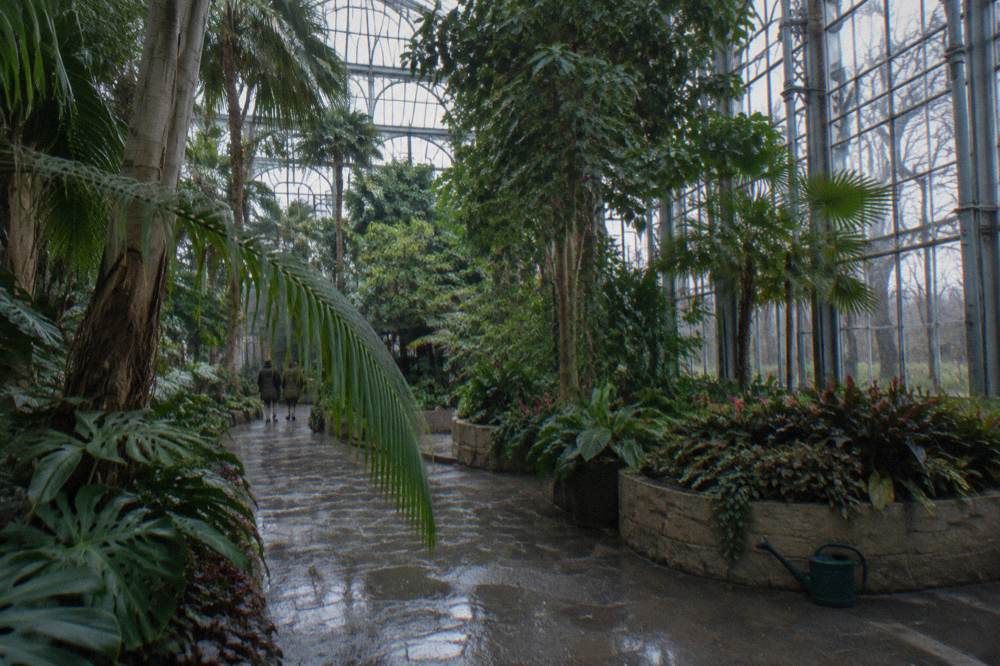
The National Zoo sits in Woodley Park, a Metro ride from the Mall, and its admission is free while its parking is not: the lots run $30 booked in advance or $40 on the day, so the Metro's Red Line to Cleveland Park or Woodley Park is the budget move. The site's blog post on is the Smithsonian National Zoo free covers that split in detail, and the companion piece on is the National Zoo's parking free exists precisely because the parking charge surprises people.
| Museum | Neighborhood | Admission | Catch |
|---|---|---|---|
| National Portrait Gallery and American Art Museum | Penn Quarter, downtown | Free | None, walk in |
| Renwick Gallery | Near the White House | Free | Small, one hour covers it |
| National Postal Museum | Union Station area | Free | None, walk in |
| National Zoo | Woodley Park | Free | Parking is paid, $30 advance or $40 day-of |
| U.S. Botanic Garden | Capitol Hill | Free | No ticket required |
| U.S. National Arboretum | Northeast DC | Free | Driving distance, limited transit |
Which Washington Museums Are Not Free?
The International Spy Museum, the Museum of the Bible, George Washington's Mount Vernon, and the Washington National Cathedral's sightseeing visits all charge admission. The Museum of the Bible is the one with a free window: admission is free every Tuesday through May 18, 2027. The Spy Museum and the Cathedral use dynamic pricing with no static published figure, and Mount Vernon charges $30 for adults.
The Spy Museum is the most commonly mis-planned, because list after list of "free DC museums" quietly includes it. Its own site uses date-based plan-ahead pricing, meaning there is no single adult figure to quote, and the price moves with demand. The honest advice is to check the operator's own ticketing page for your specific date. The Museum of the Bible charges $34.99 for adults aged 18 to 64, with the free-Tuesday exception running through May 18, 2027, plus a half-price walk-up window late in the day, which makes it the rare DC museum that flips between paid and free depending on when you show up.
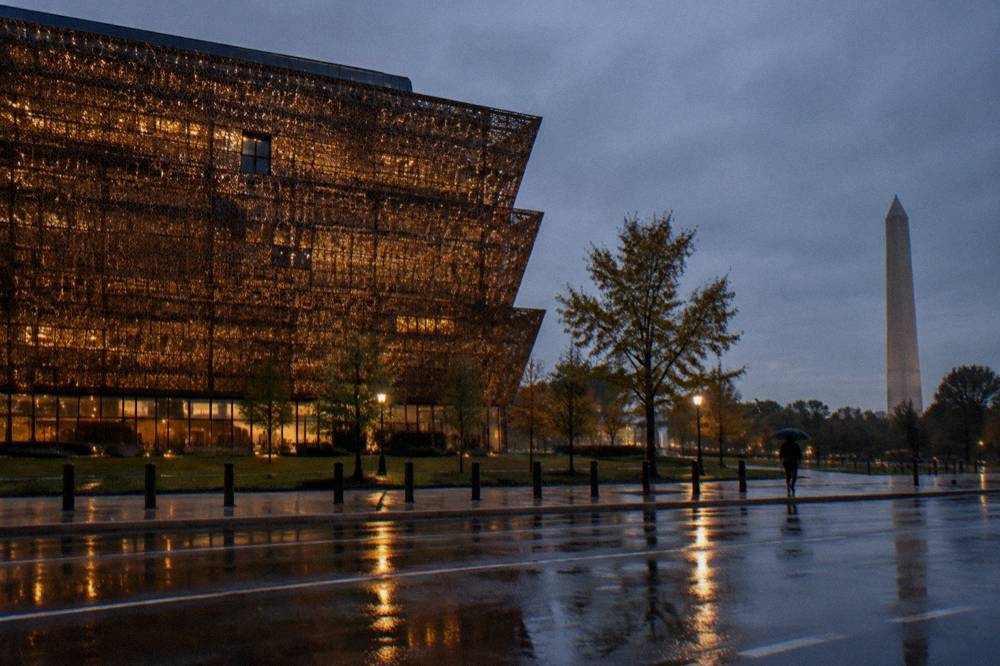
The Washington National Cathedral is a conditional case rather than a flatly paid one. Worship services are open to all at no cost, while sightseeing visits are ticketed with pricing the Cathedral's own page lists as variable. Mount Vernon, in Virginia, charges $30 for visitors aged 12 and up with a small discount for buying online in advance. None of these are Smithsonian, which is the clean dividing line: the Smithsonian's free rule and the city's museum pricing rules are two different systems that only look like one.
| Attraction | Admission | Notes |
|---|---|---|
| International Spy Museum | Paid, dynamic pricing | No static figure on its own site |
| Museum of the Bible | $34.99 adult (18-64) | Free Tuesdays through May 18, 2027 |
| Washington National Cathedral | Worship free, sightseeing paid | Cathedral's own page says prices vary |
| Mount Vernon | $30 adult (12+) | Small discount for advance online purchase |
| Folger Shakespeare Library | Unresolved | Commonly called free, not confirmed |
| Planet Word | Unresolved | Commonly called free, not confirmed |
Two more names deserve an honesty flag. The Folger Shakespeare Library and Planet Word are both frequently described as free in general travel content, but a live check could not pin a current, sourced admission policy for either, so this site does not call either one free or paid. The status is unresolved, and the right move is to check the operator's own visit page before planning around them.
How Do You Plan A Free Museum Day In Washington DC?
Anchor the day around the two pass-required museums if you have them, book those passes 30 days out, then fill the rest with walk-in venues spaced along the Mall. Museums open mostly between 10 a.m. and 5:30 p.m., the National Gallery stays open later, and the strongest pattern is one pass museum in the morning, a walk-in museum after lunch, and monuments or a paid-what-you-want walk at dusk.
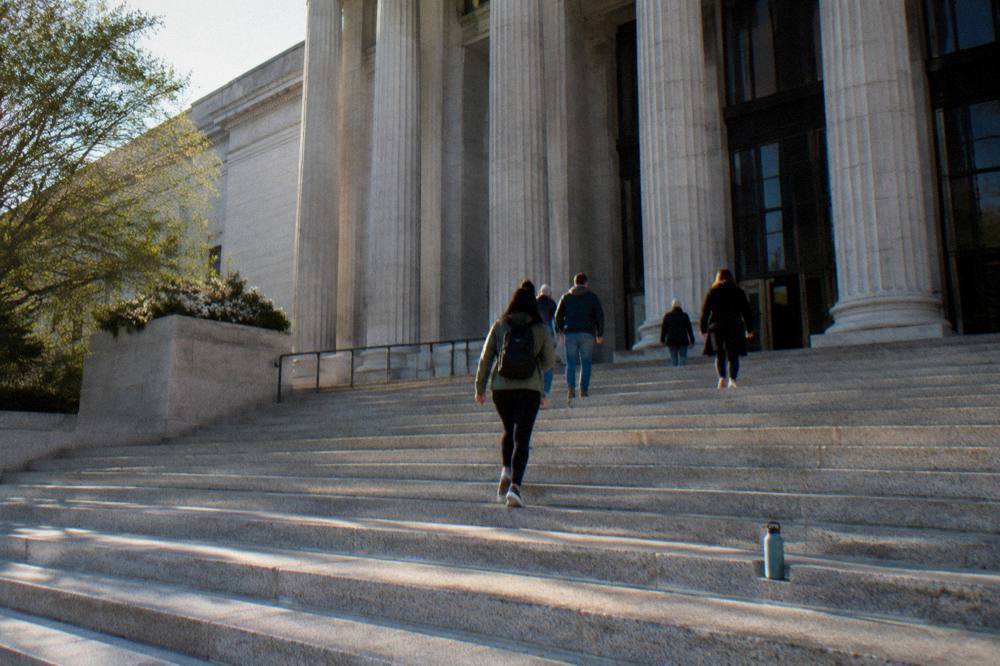
Timing matters more than most guides admit. The walk-in Smithsonian museums open at 10 a.m. and close mostly at 5:30 p.m., with the Air and Space Museum's DC building among the earlier closers, while the National Gallery's West Building and the Portrait Gallery hold evening hours on many days. Security lines at the Mall museums build from about 11 a.m. through mid-afternoon, so arriving at opening or after 3 p.m. saves real time in spring and summer. Weekday mornings in the off-season are the quietest museum hours in the city.
Seasonality is the other lever. The Cherry Blossom Festival window, with peak bloom landing on March 26, 2026 per the National Park Service's Bloom Watch, brings the year's biggest crowds to the Tidal Basin and the Mall museums around it. Summer brings school groups and heat, which pushes everyone indoors. The site's guide to free things to do in Washington DC this weekend is built for exactly this kind of day planning, and the guide to free things to do in DC in cherry blossom season handles the spring peak specifically.
Evenings have their own rhythm. The monuments are open 24 hours and are at their best after dark, when the lighting does the work the crowds take away by day. The Monuments By Moonlight, Evening Walk is a pay-what-you-want walk rated 4.26 across 65 GuruWalk reviews, an hour and a half in English, meeting at the Albert Einstein Statue near the Mall's southwest corner. It is free to join like the daytime walk, and it slots perfectly after a museum day, since the museums close and the memorials are just beginning their best hours.
A third operator covers the same ground with a different style. Blue Umbrella's Mall Walk, Another Operator is the freetour.com listing "Free Tour The Mall Washington DC," rated 8.7 out of 10 across 143 freetour.com reviews, a two-and-a-half-hour English walk. It is free in the same pay-what-you-want sense, run by a different operator than the GuruWalk walks, and its longer runtime makes it a fit for travelers who want the full Mall story in one go rather than a museum-plus-walk split.
| Time of day | Best free move | Why it works |
|---|---|---|
| 8:15 a.m. | Grab same-day NMAAHC passes online | Same-day batch released then |
| 10 a.m. | Walk-in museum at opening | Security lines are short |
| 12 to 2 p.m. | Lunch, then a second walk-in museum | Lines peak but move |
| 3 to 5 p.m. | National Gallery or Portrait Gallery | Later hours, thinner crowds |
| After dark | Monuments and memorials | Open 24 hours, best lighting |
One more planning note that saves a wasted trip: the Bureau of Engraving and Printing's tour is free but requires a ticket slot, the U.S. Capitol tour is free but reservation-based, and the Library of Congress's Jefferson Building is free to visit with timed entry at busy times. These are covered in the site's guide to free government tours of the Capitol, Library of Congress, and Archives, and they follow the same rule as the pass museums: free never automatically means walk-in.
The site behind this guide, Free Things To Do In Washington DC, exists because the free/paid and free/pass distinctions in this city are genuinely confusing, and because the honest answer to "is the Smithsonian free" is yes with two asterisks. The asterisks are the whole story.
Common Questions About Free Museums In Washington DC
Is the Smithsonian free?
Yes. All 20 Smithsonian museums and the National Zoo are free to enter. Two venues, the National Museum of African American History and Culture and the Air and Space Museum's DC building, require a free timed-entry pass, and the Zoo charges for parking.
Which Smithsonian museums need a timed pass?
The National Museum of African American History and Culture and the Smithsonian Air and Space Museum's DC building. Passes are free, released up to 30 days in advance, and same-day passes appear online around 8:15 a.m. Eastern.
Is the National Gallery of Art part of the Smithsonian?
No. The National Gallery is its own institution with free walk-in admission, no pass required, and it holds its collections in the West and East Buildings on the National Mall.
Are all museums in Washington DC free?
No. The International Spy Museum, the Museum of the Bible outside its free Tuesdays, and Mount Vernon all charge admission, and the Washington National Cathedral's sightseeing visits are ticketed with variable pricing.
Do you need to book anything for the free museums?
Only the pass-required venues. Most Smithsonian museums, the National Gallery, the Portrait Gallery, and the city's other free museums are walk-in. The pass museums should be booked up to 30 days ahead in busy seasons.
How many Smithsonian museums are on the National Mall?
Ten Smithsonian museums sit directly on the National Mall, with six more within about a mile and a half of it. The Udvar-Hazy Center is in Virginia and two Smithsonian museums are in New York City.