Is The Smithsonian National Zoo Free?
Find out if the Smithsonian National Zoo in Washington DC is free, what to see, parking costs, and how to pair it with a free walking tour of the National Mall.

Is The Smithsonian National Zoo Free?
Yes, admission to the Smithsonian's National Zoo is completely free. No ticket, no timed-entry pass, no reservation required to walk through the gates. The Zoo is part of the Smithsonian Institution, which keeps all of its DC sites free to enter. The only cost you'll face is parking, which is $30 if booked in advance or $40 on the day of your visit.
The National Zoo sits in Woodley Park, a leafy neighborhood just north of Georgetown, and it's one of the few major zoos in the United States that charges nothing at the door. That policy comes straight from the Smithsonian's founding mission: to increase and diffuse knowledge, free of charge. The Zoo, like the other Smithsonian museums and galleries, is funded by a mix of federal appropriations and private donations, so the public never pays a cent to get in.
Inside those gates you'll find a wide range of animals, from giant pandas and Asian elephants to Sumatran tigers and western lowland gorillas. The Zoo runs a first-rate reptile discovery center, an Amazonia exhibit, and a kids' farm. It's a full-day outing that costs nothing except what you choose to spend on food, a souvenir, or that parking fee.
The Zoo is a highlight for families visiting Free Things To Do In Washington DC, and it regularly lands on lists of the city's best free attractions. But because it's free, it can get crowded on weekends and school holidays, so arriving early is smart. The gates open at 8 a.m. every day except Christmas, and the animal houses start opening at 9 a.m. or 10 a.m. depending on the season.
If you're planning a trip that mixes the Zoo with the National Mall, you're in luck. The Zoo is only about three miles from the Lincoln Memorial, and you can easily combine a morning with the pandas with an afternoon on the monuments. In fact, the free walking tours that cover the Mall pair perfectly with a Zoo visit, and we'll get to those shortly.
The Smithsonian Institution operates 20 museums and the National Zoo, according to its own fact sheetofficial Smithsonian count. Ten of those museums sit directly on the National Mall, and six more are within a mile and a half of it, so the Zoo is actually one of the outliers. It's in a residential area, which gives it a different feel from the marble-and-granite corridor downtown. You'll walk through wooded trails rather than wide plazas, and the animal exhibits are integrated into the landscape rather than stacked in a grid.
The Zoo's free-admission policy is rock solid. You do not need to reserve a timed-entry pass the way you do at the National Museum of African American History and Culture or the Smithsonian's Air and Space Museum on the Mall. You simply show up, walk through the Connecticut Avenue entrance (or the smaller Harvard Street foot entrance), and you're in. That's a huge advantage if you're traveling with kids and don't want to lock in a schedule days in advance.
One thing that surprises first-time visitors is the Zoo's size. It's larger than many paid zoos, and the terrain is hilly. The main path, Olmsted Walk, slopes downhill from the main entrance, so you'll get a workout on the way back up. Comfortable shoes are essential, and there are plenty of benches and shaded spots to rest.
Now, if you're looking to extend your free day beyond the Zoo, consider one of the free walking tours that cover the National Mall. These pay-what-you-want tours are led by local guides and hit all the major monuments, and they're a natural companion to a Zoo morning. Below are three tours that fit the bill.
Here's a quick comparison of the three free walking tours that pair well with a Zoo visit:
| Tour | Operator | Rating | Duration | Meeting Point |
|---|---|---|---|---|
| Daytime Monuments Walk | GuruWalk | 4.40 across 324 reviews | 2 hours | World War II Memorial |
| Monuments By Moonlight | GuruWalk | 4.26 across 65 reviews | 1 hour 30 minutes | Albert Einstein Statue |
| Blue Umbrella's Mall Walk | freetour.com | 8.7 out of 10 across 143 reviews | 2 hours 30 minutes | National Mall |
What Else Should You Know Before Visiting The Zoo?
Parking is the one cost you can't avoid if you drive: $30 in advance, $40 on the day. Public transit is much cheaper, and a Metro station sits a short walk from the main entrance. The Zoo is open every day except December 25, from 8 a.m. to 5 p.m. in winter and until 7 p.m. in summer, with animal buildings closing about an hour earlier.
The parking fee catches a lot of people off guard because everything else about the Zoo screams "free." The lots are operated by the Zoo itself, and the revenue goes back into animal care and exhibit maintenance. If you're visiting on a busy Saturday, the lots can fill by mid-morning, so booking ahead on the Zoo's website is a smart move. Even then, you're paying for convenience. The Metro is far cheaper, and the walk from the station to the Zoo entrance takes about 10 minutes through a pleasant neighborhood.
Once you're inside, you'll find a few things that cost money, but they're all optional. The Zoo has several eateries and snack stands, a carousel, and a gift shop. None of them are required to enjoy the animals. You can bring your own food and eat at one of the picnic tables scattered around the grounds, which is what many families do.
The Zoo's layout can be confusing on a first visit. The main entrance on Connecticut Avenue drops you at the top of the hill, and the exhibits spread out downhill from there. The giant panda habitat is near the bottom, so if pandas are your priority, head straight down Olmsted Walk. The Asia Trail, Elephant Trails, and American Trail are all on the lower half, while the Great Ape House and Think Tank are closer to the top. A map at the entrance or on your phone helps a lot.
The animal houses and exhibits follow a seasonal schedule. From roughly April through October, the Zoo stays open later, and the animals are more active in the early morning and late afternoon. In winter, the grounds close at 5 p.m., and some outdoor animals may be off exhibit if the weather is extreme. The indoor exhibits, like the Reptile Discovery Center and Amazonia, are climate-controlled and open year-round.
If you're visiting DC for the first time, the Zoo pairs beautifully with a free walking tour of the monuments. After a morning with the pandas, you can take the Metro to the National Mall area. From there, a free GuruWalk tour like the Daytime Monuments Walk starts at the World War II Memorial. It's a two-hour, pay-what-you-want walk that covers the Lincoln Memorial, Vietnam Veterans Memorial, Korean War Veterans Memorial, and more, all with a local guide who knows the stories behind the stone.
The Zoo itself runs free daily programs: animal keeper talks, elephant training demonstrations, and seal or sea lion feedings. These are posted on the Zoo's daily schedule board near the entrance and on its website. They add a layer of education that costs nothing extra, and they're especially good for kids who want to see the animals up close and ask questions.
How To Get To The National Zoo Without Spending A Dime On Transport
If you're staying in downtown DC, the Metro is your cheapest and fastest route. Take it to the Woodley Park area station, exit toward Connecticut Avenue, and walk north a few blocks. The Zoo entrance is on your left. The ride costs a standard Metro fare, but you can combine a Zoo trip with a free walking tour to avoid extra transit costs altogether.
The Metro runs frequently to the Woodley Park neighborhood, and the station is a short walk from the Zoo. Once you're out, the walk is straightforward: Connecticut Avenue is a wide, tree-lined street with sidewalks, and you'll pass restaurants and coffee shops along the way. The Zoo entrance is marked by a large sign and a bronze lion statue.
If you're already on the National Mall, you can take the Circulator bus for a dollar, or walk to a nearby Metro station and ride a few stops. But if you're planning to join a free walking tour of the Mall later in the day, you might want to start at the Zoo, then head downtown. The Daytime Monuments Walk runs at 10 a.m. and 2 p.m. on most days, so a morning Zoo visit followed by the 2 p.m. tour is a perfect, completely free itinerary.
For those who prefer to walk, the Zoo is about a 45-minute walk from the Lincoln Memorial through Rock Creek Park, but that route involves some steep trails and isn't ideal with young children. A better option is to walk along Connecticut Avenue from Dupont Circle, which takes about 30 minutes and passes embassies and historic homes.
Once you're at the Zoo, you'll appreciate how walkable the grounds are. The paths are paved, and there are plenty of signs. The Zoo's free admission means you can come and go as you please, so if you want to leave for lunch and come back, you can. That flexibility is rare among major-city zoos.
Pair The Zoo With A Free Walking Tour Of The National Mall
The National Zoo sits about three miles from the National Mall, but the two experiences complement each other perfectly. After a morning with the animals, take the Metro or a short rideshare to the Mall and join a free pay-what-you-want walking tour that covers the Lincoln Memorial, Washington Monument, and other iconic sites. One tour runs during the day, and another lights up the monuments after dark. This stop sits on a free walking route, Daytime Monuments Walk, National Mall.
The Daytime Monuments Walk meets at the World War II Memorial on the National Mall, a central location that's easy to reach from the Zoo. This tour is listed on GuruWalk and has earned a rating of 4.40 across 324 GuruWalk reviews, making it one of the most popular free tours in DC. The guide, Lisa, leads a two-hour walk that hits the Lincoln Memorial, Vietnam Veterans Memorial, Korean War Veterans Memorial, and the Reflecting Pool, with plenty of stories and historical context along the way.
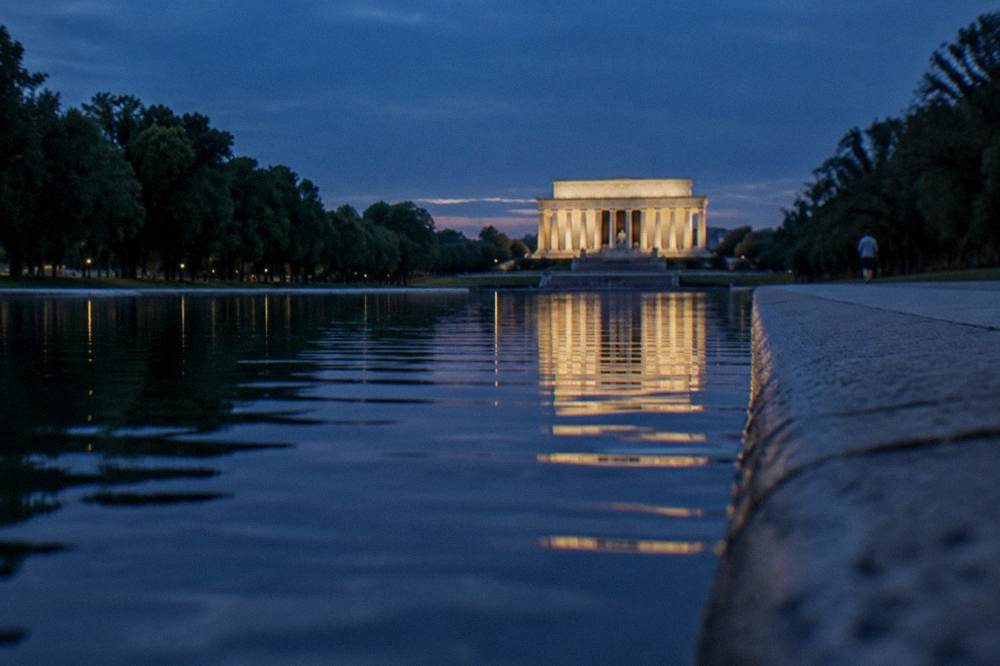
If you'd rather see the monuments under moonlight, the Monuments By Moonlight evening walk is a fantastic option. It meets at the Albert Einstein Statue near the National Academy of Sciences, just a short walk from the Lincoln Memorial. This 90-minute tour, also led by Lisa on GuruWalk, carries a rating of 4.26 across 65 GuruWalk reviews. Walking the Mall at night is a completely different experience: the marble glows, the crowds thin out, and the Lincoln Memorial feels almost sacred in the dark.
Both tours are free to join, and you tip the guide what you think the experience was worth at the end. That pay-what-you-want model means you can have a fully guided, two-hour tour of the nation's most famous monuments for whatever you choose to pay, making it a natural extension of a free Zoo day.
A third option, run by Blue Umbrella Tours on freetour.com, is the Free Tour The Mall Washington DC. It's a longer walk at two and a half hours, and it's rated 8.7 out of 10 across 143 freetour.com reviews. This tour covers the same core monuments but adds more depth on the history of the National Mall itself, and it's another solid choice if you want a different guide's perspective.
What Animals Can You See At The National Zoo?
The Zoo's star residents are the giant pandas, but you'll also find Asian elephants, Sumatran tigers, western lowland gorillas, orangutans, Andean bears, sea lions, and a full reptile house. The Zoo organizes its exhibits by geography and ecosystem, so you can walk from the Asia Trail to the American Trail and see animals native to each region. Every exhibit is included with free admission.
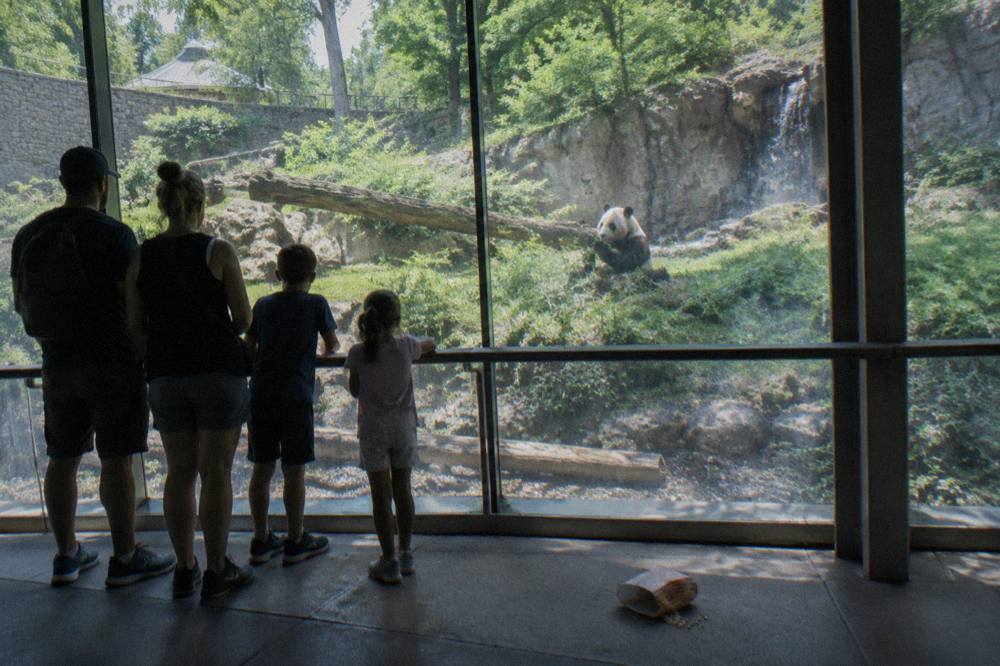
The giant panda habitat is the most popular spot, and for good reason. The Zoo has a long history with panda conservation, and the current pandas are a major draw. The indoor viewing area lets you watch them munch bamboo even on hot or cold days, and the outdoor yard is lush with climbing structures. Expect a line on weekends, but it moves quickly.
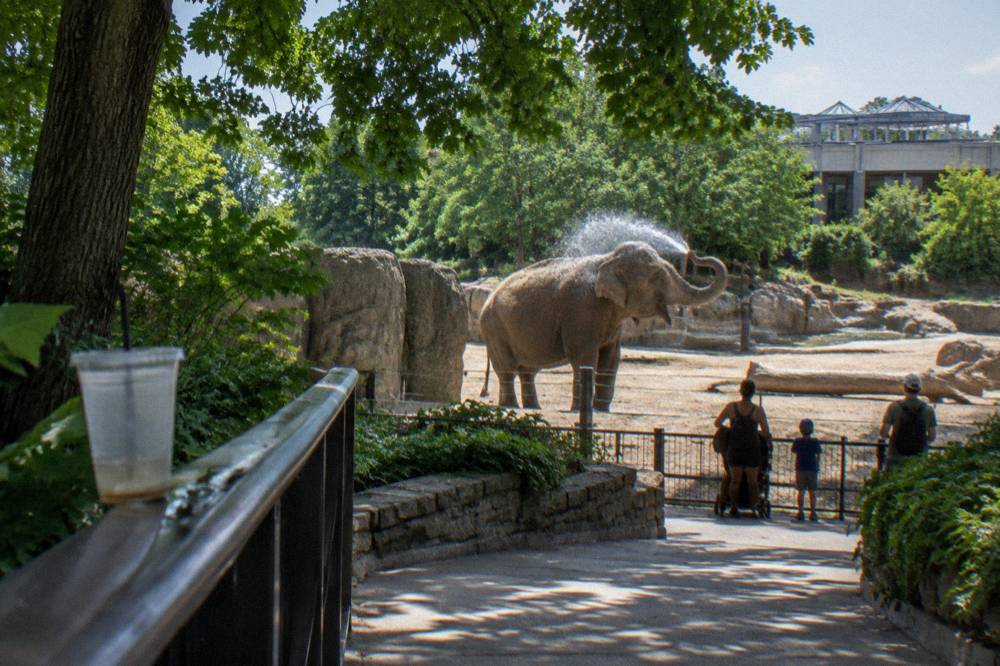
The Elephant Trails exhibit is another standout. The Zoo's herd of Asian elephants roams a large, multi-acre space with pools, mud wallows, and a state-of-the-art barn. Daily elephant training demonstrations show how keepers work with the animals using positive reinforcement, and it's one of the best free educational programs in the city.
The Great Ape House and Think Tank house western lowland gorillas and orangutans. The Think Tank is particularly interesting because it explores animal cognition, and you can watch the apes solve puzzles and use tools. The Zoo's primate program is world-renowned, and the exhibits are designed to mimic natural habitats as closely as possible.
For families with young children, the Kids' Farm is a must. It's a petting zoo with cows, goats, alpacas, and chickens, and it's completely free. Kids can brush the animals and learn about farming, and there's a pizza garden that shows where ingredients come from. It's a nice break from the larger, more exotic exhibits.
The Reptile Discovery Center houses everything from Komodo dragons to poison dart frogs. It's indoors, climate-controlled, and a hit with kids who love snakes and lizards. Amazonia, another indoor exhibit, recreates a flooded Amazon rainforest with free-flying birds, monkeys, and a massive aquarium with arapaima and piranhas.
What Are The Zoo's Hours And Best Times To Visit?
The grounds are open every day except December 25, from 8 a.m. to 5 p.m. in fall and winter and until 7 p.m. in spring and summer. Animal buildings open at 9 a.m. or 10 a.m. and begin closing 30 to 60 minutes before the grounds. The best time to visit is on a weekday morning right at opening.
Weekends, especially in spring and summer, can be extremely busy. The Zoo is a top destination for local families and tourists alike, and the free admission means there's no cap on daily visitors. If you must go on a Saturday or Sunday, aim for the 8 a.m. opening. The pandas are often most active in the early morning, and you'll have the Asia Trail nearly to yourself for the first hour.
The Zoo's seasonal hours mean you'll have more daylight time in the summer, which is ideal if you're pairing the Zoo with an evening walking tour. The Monuments By Moonlight tour typically starts around 7:30 p.m. or 8 p.m. in the summer, so you can leave the Zoo at 5 p.m., grab dinner, and still make it to the Einstein Statue in time. In winter, the earlier sunset pushes the evening tour to around 6 p.m., so you'll need to leave the Zoo by 4 p.m. to make it work.
Rain doesn't close the Zoo, but some outdoor exhibits may be less active. The indoor exhibits, like the Reptile Discovery Center and Amazonia, are excellent rainy-day backups. The Zoo's wooded paths offer some shelter, but an umbrella is a good idea.
Is The Smithsonian National Zoo Part Of The Larger Smithsonian System?
Yes, the National Zoo is part of the Smithsonian Institution, which operates 20 museums and the Zoo itself. That means it follows the same free-admission policy as the Air and Space Museum, the Museum of Natural History, and other Smithsonian sites on the National Mall. The Zoo is the only Smithsonian facility that is primarily an outdoor animal park, but it shares the same funding model and mission.
The Smithsonian Institution keeps all of its DC locations free to enter, and that principle extends to the Zoo. The Zoo is one of the older Smithsonian units, and it has grown into a major research and conservation center. Because the Zoo is a Smithsonian facility, it's subject to the same federal rules as the museums: it receives annual appropriations from Congress, supplemented by private donations and revenue from concessions and parking. That's why admission remains free even as other major zoos charge $25 or more per adult. The Smithsonian's commitment to free access helped DC attract a record 27.2 million visitors in 2025, generating $11.9 billion in visitor spendingDestination DC's annual report.
The Zoo's free status also means it's a popular field trip destination for local schools, so weekday mornings in the spring and fall can see large groups of students. They're usually gone by early afternoon, but if you prefer a quieter visit, aim for after 1 p.m. on weekdays.
How To Plan A Completely Free Day In DC With The Zoo And A Walking Tour
Start at the Zoo right when it opens at 8 a.m., spend three to four hours exploring, then take the Metro to the Mall around noon. Join the 2 p.m. Daytime Monuments Walk, or do the evening Moonlight walk if you prefer. Both are pay-what-you-want, so you control the cost. With only Metro fare, you get a full free day.
If you're staying in a downtown hotel, you can even walk from the Zoo to the Mall through Rock Creek Park, though it's a hilly 45-minute trek. For most visitors, the Metro is the better choice. The fare is a few dollars, but if you're already using a SmarTrip card for other sightseeing, it's negligible.
The beauty of this itinerary is its flexibility. You can swap the daytime tour for the evening Monuments By Moonlight walk if you'd rather explore the Zoo in the afternoon. Or you can do the Zoo in the morning, take a break, and then do the longer Blue Umbrella tour at 3 p.m. All three tours are free to join, so you can build your day around the Zoo without spending a cent on admission or guiding.
For families, the Zoo and a walking tour are a natural combination. Kids love the animals, and the walking tour keeps them moving through the monuments without the boredom of a museum. The guides on the free tours are skilled at engaging all ages, and the pay-what-you-want model means you're never locked into a price that doesn't match your experience.
DC's free attractions are unmatched in the United States, and the Zoo is a cornerstone of that offering. Pairing it with a free walking tour of the National Mall gives you a day that's rich in both wildlife and American history, all at a cost you control. For more ideas on free family outings, see our guide on free things to do in Washington DC for families. And if you're wondering whether the rest of the Smithsonian is truly free, our article is the Smithsonian free? breaks down the details.
Finally, if you're curious about the free walking tours themselves and how the tipping model works, our guide on how free walking tours work in Washington DC explains everything. These resources can help you plan a trip that maximizes the city's free offerings without any surprises.
Common Questions About The Smithsonian National Zoo
Is The Smithsonian National Zoo Free?
Yes, admission is completely free. You do not need a ticket, reservation, or timed-entry pass. The Zoo is part of the Smithsonian Institution, which keeps all its DC sites free to enter. The only cost is parking, which is $30 if booked online in advance or $40 if paid on the day of your visit.
Do you need a ticket for the National Zoo?
No ticket is required. You can walk in through the Connecticut Avenue or Harvard Street entrances during operating hours. There are no timed-entry passes or advance reservations needed for general admission.
Is parking free at the National Zoo?
No, parking is not free. The Zoo's lots charge $30 when you book online ahead of time, or $40 if you pay upon arrival. The lots can fill up on busy days, so booking in advance is recommended. Public transit is a much cheaper alternative.
What animals can you see at the National Zoo?
The Zoo is home to giant pandas, Asian elephants, Sumatran tigers, western lowland gorillas, orangutans, Andean bears, sea lions, and a large reptile collection. All exhibits are included with free admission.
How do you get to the National Zoo?
The easiest way is via Metro: take it to the Woodley Park area station, exit toward Connecticut Avenue, and walk north a few blocks. Several bus lines also stop nearby. If you drive, the Zoo is off Connecticut Avenue NW, with paid parking available on-site.
Is the National Zoo open every day?
The Zoo is open every day except December 25. Grounds open at 8 a.m. and close at 5 p.m. in fall and winter, and at 7 p.m. in spring and summer. Animal buildings typically open at 9 a.m. or 10 a.m. and begin closing an hour before the grounds.