Is The National Gallery Of Art Free?
Yes, the National Gallery of Art is free to enter, with no tickets needed for the permanent collection. Here is what that covers, what stays paid, and how to pair it with a free walking tour of the Mall.
Is The National Gallery Of Art Free?
Yes, the National Gallery of Art is free to enter, and it is genuinely free rather than pay-what-you-want. General admission to the permanent collection costs nothing, requires no ticket, and needs no timed pass, which sets it apart from several Smithsonian museums nearby that do ask for advance passes. Special exhibitions are normally included in that free entry as well.
That last point surprises people. Plenty of the world's great galleries are free to the building and then charge hard for the temporary shows, but the National Gallery has historically folded its special exhibitions into general admission, so a visiting exhibition you might expect to pay for can often be walked into with nothing more than a bag check. The gallery is not a Smithsonian institution, which is a common mix-up worth untangling, it is its own entity with its own funding story, and its free admission is a founding principle rather than a government quirk.
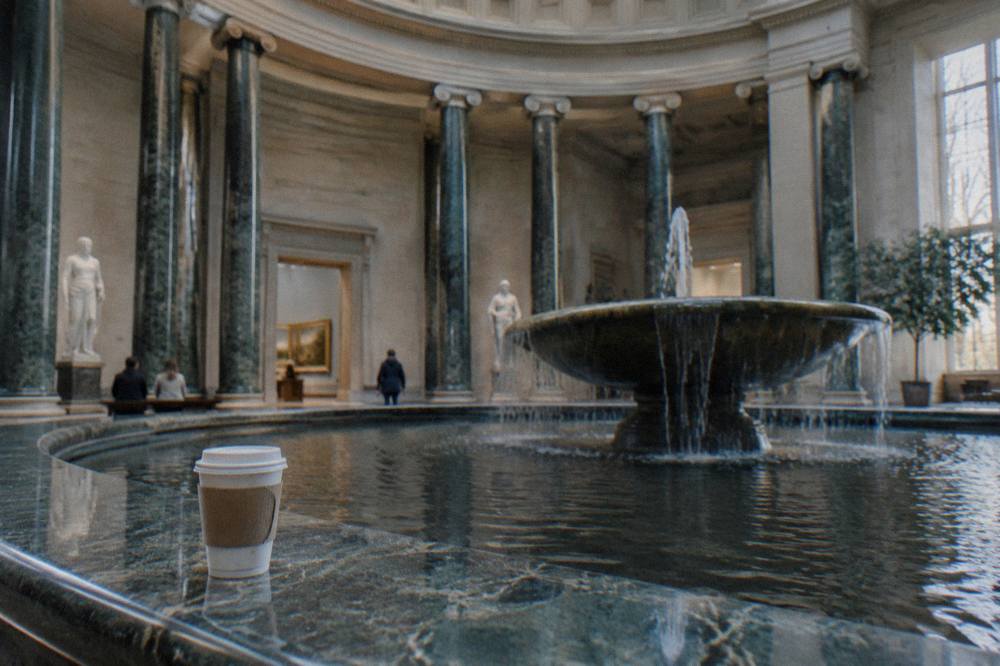
The practical upshot for a visitor on a budget is significant. You can spend an entire day inside one of the largest art collections in North America, walk from the West Building's classical galleries to the East Building's modern and contemporary wings through the underground concourse, and pay nothing but the metro fare that got you there. The concourse between the two buildings also holds a cafeteria and a cascade-covered walkway if you want to pause, though food is where the free part of your day ends.
The two buildings reward knowing which is which before you arrive. The West Building is the classical heart: European painting from the medieval period through the impressionists, American art, sculpture, and works on paper, arranged in galleries that reward slow wandering. The East Building, connected by the concourse, holds the modern and contemporary collection, and its angular architecture is itself worth the walk over. Families with children often find the East Building the easier sell, since the modern wings tend to hold attention better than rooms of Dutch masters, and the Gallery's free family programming, when scheduled, is aimed squarely at that audience.
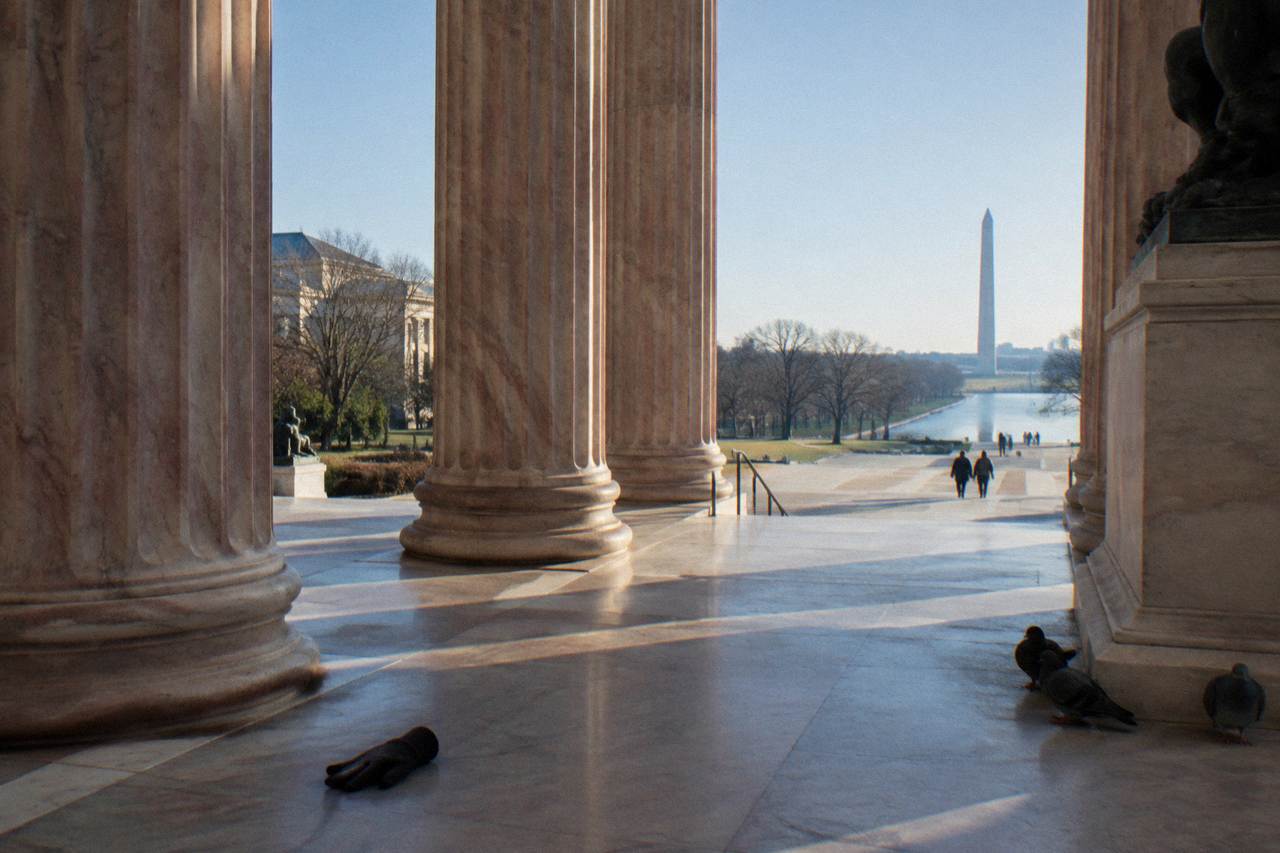
If you are building a full free day in the city, the Gallery anchors the east end of the Mall while the monuments anchor the west, and the ground between them is the most walkable museum corridor in the country. A good plan pairs the two halves of that corridor in one day, and the free walks below are built exactly for the western stretch.
What Does Free Admission Actually Cover?
Free admission covers the permanent collection, the special exhibitions, and both the West and East Buildings, with no ticket required for any of it. What stays paid is everything that is not the art: food, the audio tours and some family programs, the gift shops, and parking. Nothing about the art itself carries a charge.
The permanent collection is the headline. It spans European painting from the medieval period onward, American art, sculpture, works on paper, and photographs, with names like Vermeer, Rembrandt, Monet, and Rothko hanging on the walls at no cost to you. The East Building handles modern and contemporary work, and the two buildings are linked by the underground concourse so you never need to go back outside to move between them.
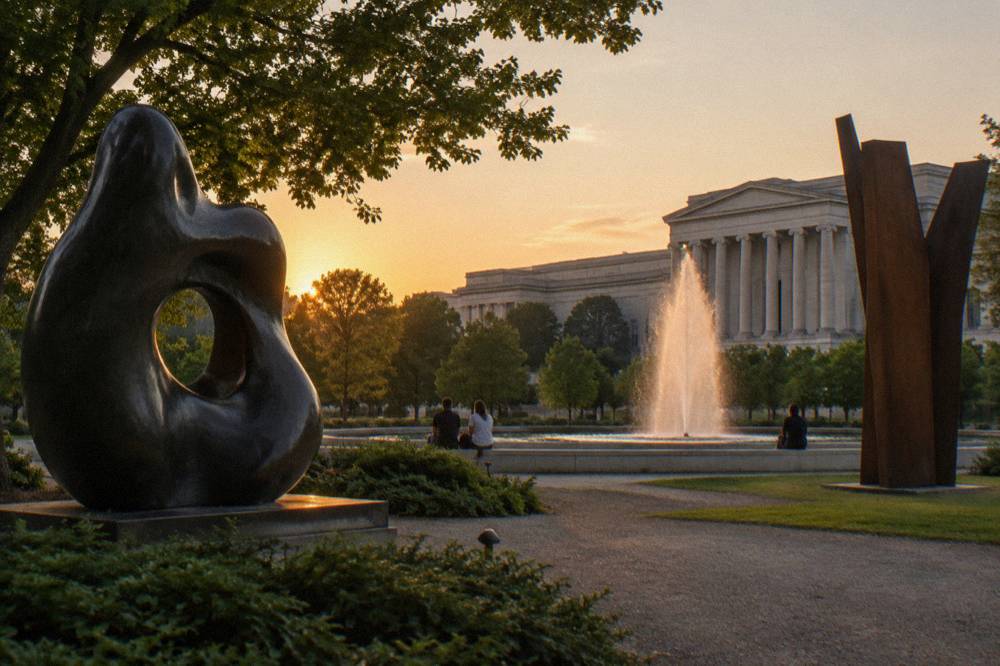
The Sculpture Garden across the street is also free to wander, and it extends the visit into an outdoor gallery of large-scale works around a fountain that turns into an ice rink in winter. Skating is paid, sitting on the rim with a coffee is not. In summer the Garden hosts free jazz concerts in the evenings, which is one of the better free night activities in a city that has a decent stock of them, and our guide to free things to do in Washington DC at night collects those options in one place.
It helps to know what the free entry does not include so you are not caught out. The table below draws the line.
| Included free | Not included |
|---|---|
| Permanent collection, West and East Buildings | Café, cafeteria, and espresso bar purchases |
| Special exhibitions in most cases | Audio tours and some ticketed programs |
| The Sculpture Garden grounds | Ice skating at the Garden rink in winter |
| Free gallery talks and tours when scheduled | Parking in the underground garage |
| Evening jazz concerts in the Garden seasonally | Gift shop and reproduction purchases |
One caution worth carrying with you: free entry does not mean empty. The Gallery is one of the most visited art museums in the country, in a city that set a record of 27.2 million visitors in 2025 with $11.9 billion in visitor spending, per Destination DC's own annual statistics. The busiest galleries fill quickly on weekends and holidays, so an early arrival buys you quieter rooms, and the East Building is usually calmer than the West in the middle of the day.
Do You Need A Ticket Or A Timed Pass To Get In?
No timed pass and no advance ticket is needed for general admission to the National Gallery of Art, which is a real distinction in this part of the Mall. Several Smithsonian museums nearby, including the National Museum of African American History and Culture and the Air and Space Museum's DC building, do require free timed passes, and the Washington Monument needs a ticket to go up.
This is the detail that trips up visitors who read "everything on the Mall is free" and assume everything works the same way. It does not. The Smithsonian Institution counts 20 museums plus the National Zoo, with ten sitting directly on the Mall and six more within about a mile and a half, per the official Smithsonian museums page, and the pass rules differ venue by venue. Most Smithsonian museums are genuinely walk-up free. NMAAHC and the Air and Space Museum's DC building are the exceptions, both requiring a free timed-entry pass booked in advance, with NMAAHC passes released up to 30 days ahead or same-day by early morning. The Washington Monument is its own case: the grounds are free, but going up requires a timed ticket, free at the walk-up Lodge on a first-come basis or booked in advance through recreation.gov with a $1 service fee attached to the booking channel rather than the ticket itself.
The National Gallery sits outside all of that friction. You walk in, you go through security, you look at art. That simplicity is worth planning around, especially if your day also includes one of the pass-required museums, because the pass museum should anchor the schedule and the Gallery can absorb whatever slack is left. A morning pass at NMAAHC followed by an unhurried afternoon in the Gallery's West Building is a realistic and entirely free day.
The same logic applies to the season you visit in. Late March brings the cherry blossom crowds, and the 2026 peak bloom landed on March 26 with the blooming window running roughly through April 2, per the National Park Service Bloom Watch. During that stretch every free venue on the Mall runs fuller than usual, and the walk-up venues like the Gallery feel it most, since there is no pass system thinning the crowds in advance. Arriving at opening time during bloom season is less a suggestion and more a survival tactic.
If the monument corridor is on your itinerary too, and it almost certainly is, the question is how to cover it without paying for a guided tour.
How Does The Gallery Compare With The Smithsonian Museums Around It?
The National Gallery of Art is free like the Smithsonian museums but is not one of them, and its entry rules are simpler than several of theirs. It needs no timed pass, unlike NMAAHC and the Air and Space Museum's DC building, and unlike the Smithsonian museums it is an independent institution with its own governance and endowment.
The distinction matters more than pedantry. The Smithsonian's free admission comes from its federal trust status and a mix of public and private funding, and the Gallery's comes from its own founding gift, sustained since by private donations and endowment income. Both arrived at the same answer, a great collection with the doors open to everyone, but by different roads, and a visitor experiences the difference mainly at the entrance: no pass system, no release windows, no same-morning scramble for tickets. Everything else covered here is indexed on Free Things To Do In Washington DC.
For planning purposes, the practical comparison is what each venue asks of you before you walk in.
| Venue | Admission | Entry requirement |
|---|---|---|
| National Gallery of Art | Free | No ticket or pass needed |
| National Museum of Natural History | Free | Walk-up entry |
| National Museum of African American History and Culture | Free | Timed-entry pass required |
| Air and Space Museum, DC building | Free | Timed-entry pass required |
| Washington Monument ascent | Free | Timed ticket, free at the Lodge or $1 fee in advance |
| International Spy Museum | Paid | Dynamic date-based pricing, no static figure on its own page |
That last row is a useful reminder that the free zone has edges. The Spy Museum's own visit page uses plan-ahead pricing that shifts by date, so no honest static price can be quoted here, and attractions like the International Spy Museum sit outside the free core entirely. Our broader guide to free museums in Washington DC maps the whole free tier, conditional entries included, and the Smithsonian free admission explainer covers how the trust funding works if you are curious about the machinery behind it.
A second comparison worth making is against the paid attractions that sit just off the Mall. George Washington's Mount Vernon charges $30 for adults, the Museum of the Bible charges $34.99 for adults with free Tuesdays through May 18, 2027, and Washington National Cathedral's own visit page says plainly that sightseeing prices vary. Against that backdrop, the Gallery's free entry is not a small discount, it is the difference between a free day and a day with a per-person cost that compounds with every stop. A family of four skipping two paid attractions saves enough to fund the entire rest of a DC trip's metro fares.
Is Everything Inside Free, Or Are There Paid Extras?
The art is entirely free, including special exhibitions in most cases, but the paid extras are the ordinary commercial layer of any big museum: food, the audio guide, parking, the ice rink, and the shops. None of these are required to have a complete visit, and a visitor can spend a full day inside without spending a dollar.
The audio tour is the most tempting of the paid extras and the easiest to skip. The Gallery's own free gallery talks, led by staff and volunteer docents, cover much of the same ground in a more social format, and they are scheduled regularly through the week. Checking the day's schedule at the information desk costs nothing and can replace a rented audio guide entirely.
Parking is the extra that quietly wrecks free days. The Gallery's underground garage is convenient and paid, and the surrounding Mall area is a place where street parking is scarce and time-limited. The metro is the honest answer: the Gallery sits within a short walk of several stations, and arriving by rail keeps the day at exactly the cost of the fare. The same logic applies to the Smithsonian's National Zoo, where admission is free but parking runs $30 booked in advance or $40 on the day, a gap between the free entry and the paid logistics that repeats across the city.
If you are eating on a budget, the cafeteria is not the only option. The Sculpture Garden and the Mall's open ground make this one of the better picnic cities in America, and packing food turns the paid line in the table into a non-issue. Water fountains and bag-check queues are the only infrastructure you will interact with, and neither costs anything.
A note on bags, since it is the one rule that can genuinely derail a visit: large bags, backpacks, and food are subject to the Gallery's security screening, and items that do not clear it either get left in a locker or carried back out. Traveling light means walking straight from the security line into the galleries, and travelers who arrive with packed lunches usually find the Sculpture Garden the natural place to eat them before entering at all.
How Do You Pair The Gallery With A Free Walking Tour Of The Mall?
The Gallery anchors the east end of the National Mall and the monuments anchor the west, so the natural free day is a walk west after your museum visit. A free, pay-what-you-want walking tour covers the monument corridor, and the Daytime Monuments Walk, National Mall meets at the World War II Memorial, about a 25 to 30 minute walk from the Gallery's steps.
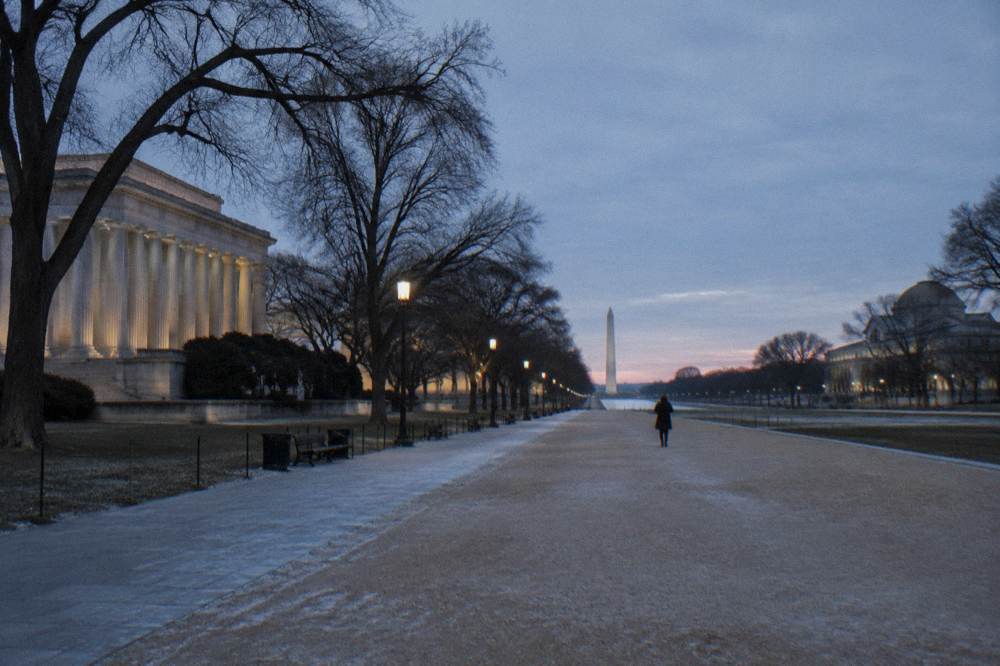
That walk west is itself one of the free pleasures of the city. You pass the Smithsonian castle buildings, the sculpture garden, the Capitol grounds behind you, and the Washington Monument ahead, and the whole stretch is public ground with no gate and no fee. Doing it with a guide adds the stories the plaques do not carry, and the free tour model makes that affordable by definition: the walk itself costs nothing, and you tip the guide at the end what you think the walk was worth. Our tipping guide for free walking tours in Washington DC explains the etiquette and the going rates if the model is new to you.
The Daytime Monuments Walk, National Mall is run by a guide named Lisa, listed on GuruWalk, rated 4.4 across 324 GuruWalk reviews, and running about 2 hours in English from the World War II Memorial. Because it is pay-what-you-want, the honest way to think about the cost is that you decide it afterward. The Daytime Monuments Walk, National Mall page on this site has the meeting point and the full description.
If you would rather compare operators before committing, Blue Umbrella's Mall Walk, Another Operator covers the same corridor on a free, tip-based model. It runs about 2 hours and 30 minutes, is listed on freetour.com, and is rated 8.7 out of 10 across 143 freetour.com reviews, which is a strong score on a platform that grades out of ten rather than five. Two free options on the same ground is a genuine luxury, and choosing between them comes down to timing and duration rather than price, since neither has one.
There is also an evening version of the corridor worth knowing about. Monuments By Moonlight, Evening Walk is the night counterpart to the daytime walk, meeting at the Albert Einstein Statue and running about an hour and a half, rated 4.26 across 65 GuruWalk reviews. The memorials after dark are a different experience, lit from below and far quieter, and an evening walk pairs naturally with a Gallery day because it uses hours the museum cannot. This site exists to keep honest count of these walks: there are exactly three in the roster, two on GuruWalk and one on freetour.com, no more, and every one of them is free at the point of booking.
The sequencing that works best for most visitors is museum first, walk second. The Gallery's galleries are climate-controlled and crowded at midday, so a morning inside them followed by an afternoon or evening walk west spreads the day across two very different kinds of free. In cherry blossom season the order can flip, since the Tidal Basin and the monument corridor are at their best in early light, and a morning walk followed by an afternoon in the air conditioning is the kinder version of that day. Either way, the total cost of the day is a metro fare and whatever you decide the walk was worth.
Common Questions About The National Gallery Of Art
Is The National Gallery Of Art Free?
Yes. General admission to the permanent collection and, in most cases, the special exhibitions is free, with no ticket and no timed pass required for entry. The Gallery is not a Smithsonian museum, but it matches them on free admission and is actually simpler to enter than the pass-required Smithsonian venues nearby.
Do you need a timed pass for the National Gallery of Art?
No. Unlike the National Museum of African American History and Culture and the Air and Space Museum's DC building, which both require free timed-entry passes, the National Gallery of Art is walk-up entry. You can arrive at any point during opening hours and go straight in through security.
Is the National Gallery of Art part of the Smithsonian?
No. The Gallery is an independent institution with its own governance and endowment, not one of the Smithsonian's 20 museums. It shares the Mall with ten Smithsonian museums and matches their free admission policy, but its funding structure and entry rules are entirely its own.
Are special exhibitions at the National Gallery free too?
In most cases, yes. Special exhibitions have historically been included in the Gallery's free general admission rather than ticketed separately, which distinguishes it from many major art museums. Check the Gallery's own site for the specific show you are planning around, since occasional ticketed events can sit outside that pattern.
What costs money at the National Gallery of Art?
The commercial layer only: cafeteria and café food, the audio guide, gift shop purchases, ice skating at the Sculpture Garden rink in winter, and the underground parking garage. The art itself, the buildings, and the Sculpture Garden grounds all stay free, and a full day can be done without spending anything inside.
Can you pair the Gallery with a free walking tour of the monuments?
Yes, and it is a natural pairing. The Gallery anchors the east end of the Mall and the free walking tours cover the monument corridor to the west. The Daytime Monuments Walk, National Mall meets at the World War II Memorial, roughly a half hour's walk from the Gallery, and runs on a pay-what-you-want basis so there is no upfront cost to build into your day.