What Free Attractions Are In DC?
A complete answer to what free attractions are in DC: the monuments, the Smithsonian museums, the government tours, the parks, and the handful of places that only look free.
What Free Attractions Are In DC?
DC's free attractions fall into four working groups: the outdoor monuments and memorials on and around the National Mall, which are free with no ticket at all; the Smithsonian museums, which are free to enter but with timed-pass rules at two of them; the government buildings you can tour, including the Capitol, the Library of Congress and the Bureau of Engraving and Printing; and the parks and gardens, from the National Zoo to the U.S. Botanic Garden. A handful of famous names sit outside those groups, either because they charge admission outright or because their free status comes with a condition you need to know before you go.
That is the short version. The longer version matters, because DC is the city where "free" is most often misunderstood. Two Smithsonian museums require a timed pass even though neither charges a cent. The Washington Monument's grounds are free but the ride to the top is ticketed. Arlington National Cemetery costs nothing to enter and then charges separately for parking and for its interior tram tour. Getting these distinctions right is the difference between a day that runs smoothly and one that ends at a locked door.
The scale is real. Destination DC counted a record 27.2 million visitors in 2025, generating a record $11.9 billion in visitor spending, and the free core of the city is a large part of what those visitors come for. The Smithsonian Institution alone runs 20 museums plus the National Zoo, with ten museums sitting directly on the National Mall and six more within about a mile and a half of it, according to the Institution's own factsheet.
Here is the full free list at a glance, before the sections that follow take each group in turn.
| Group | Attractions | Cost | Catch |
|---|---|---|---|
| Monuments and memorials | Lincoln, Vietnam Veterans, Korean War, WWII, Jefferson, FDR, MLK Jr., WWI (Pershing Park), Albert Einstein | Free, no ticket | Open 24 hours; rangers staffed only part of the day |
| Smithsonian museums | Natural History, American History, American Indian, American Art, Portrait Gallery, Freer, Asian Art, Hirshhorn, Postal Museum, Renwick | Free | Air and Space's DC building and NMAAHC require a free timed pass |
| National Gallery of Art | West Building, East Building, Sculpture Garden | Free | Special exhibits occasionally ticketed |
| Government tours | U.S. Capitol Visitor Center, Library of Congress, National Archives, Bureau of Engraving and Printing, Supreme Court | Free | Capitol and Archives need reservations; White House tours need a congressional request |
| Parks and gardens | National Zoo (admission), U.S. Botanic Garden, U.S. National Arboretum, Meridian Hill Park | Free | Zoo parking is paid: $30 advance, $40 day-of |
If you want the free monuments explained street by street, the companion guide on free monuments and memorials on the Mall walks the whole corridor in order, and the quick answer on whether the National Mall itself is free covers the most common first question.
Which Monuments And Memorials Can You Visit For Free?
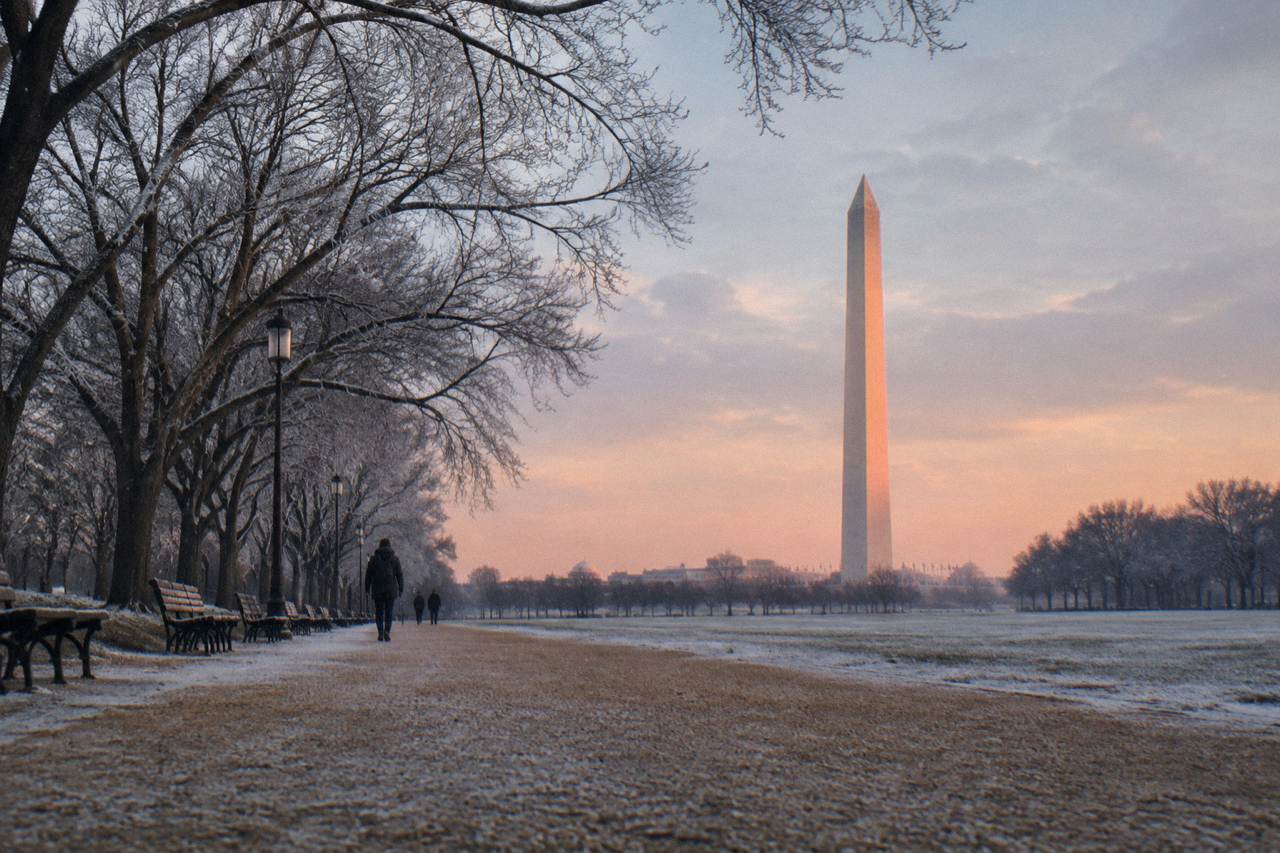
Every major monument and memorial in central DC is free to visit with no ticket, no pass and no reservation: the Lincoln Memorial, the Vietnam Veterans Memorial, the Korean War Veterans Memorial, the World War II Memorial, the Jefferson Memorial, the FDR Memorial, the MLK Jr. Memorial, the National WWI Memorial at Pershing Park and the Albert Einstein Memorial. They are outdoors, open around the clock, and cost nothing at any hour. The only ticketed thing in the whole corridor is the Washington Monument's elevator ascent, which is a separate attraction sitting inside the free landscape.
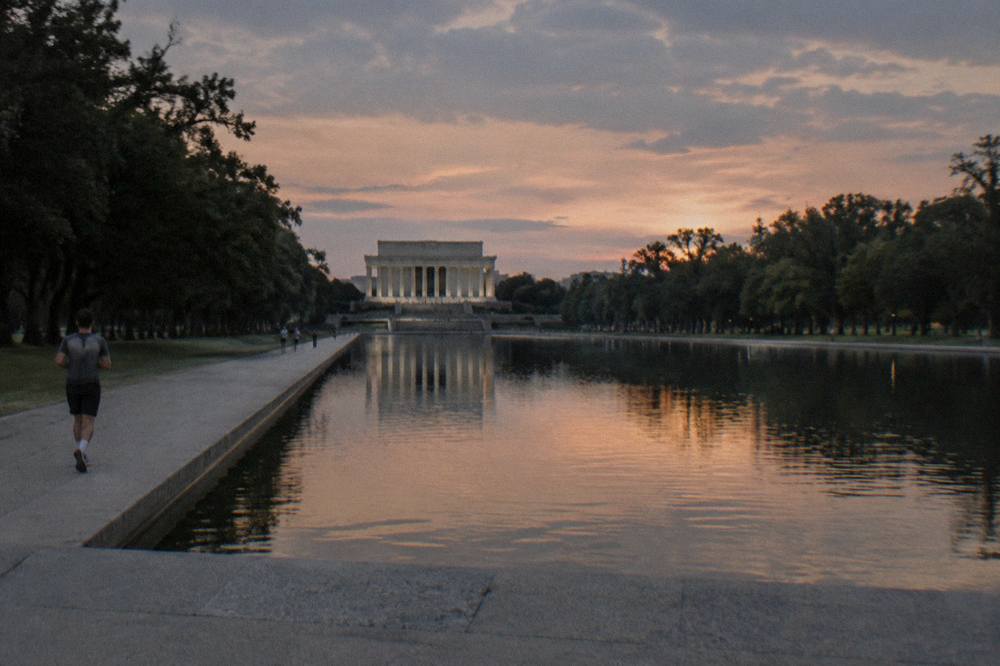
The West Mall corridor is where most visitors spend their first day, and for good reason. The Lincoln Memorial, the Vietnam Veterans Memorial and the Korean War Veterans Memorial cluster within a few minutes' walk of one another on the west end, with the World War II Memorial anchoring the midpoint between them and the Washington Monument. The FDR Memorial and the Jefferson Memorial sit south of the Tidal Basin, and the MLK Jr. Memorial stands between them. You can walk the entire set in one long loop, and the price of the whole loop is zero.
The World War II Memorial is also the meeting point for the site's featured walk, the Daytime Monuments Walk, National Mall, a free, pay-what-you-want walking tour listed on GuruWalk and run by a guide named Lisa. It runs two hours in English, it is rated 4.4 across 324 GuruWalk reviews, and it covers exactly this West Mall ground, the memorial corridor that is otherwise easy to wander without context. For a first-time visitor, a guided pass through the free monuments costs the same as walking them alone: nothing up front, with tipping at your discretion.
The Albert Einstein Memorial sits on the quieter side of the Mall, near the National Academy of Sciences, and it is the meeting point for the evening alternative. The Monuments By Moonlight, Evening Walk is the second GuruWalk listing from the same guide, an English walk of 1 hour and 30 minutes rated 4.26 across 65 GuruWalk reviews. Evening is when the memorial corridor changes character entirely: the crowds thin, the stones cool, and the Lincoln Memorial's floodlit columns read differently than they do at noon. If your daylight hours are committed to museums, the free monuments at night are the best free show in the city.
One planning note that saves people real time: the memorials are open 24 hours, but National Park Service rangers and volunteers staff them only during the day, so the free ranger talks and questions happen on a daytime schedule. The monuments themselves never close. For the practical mechanics of the one ticketed thing here, the guide on Washington Monument free tickets explains the same-day walk-up option and the advance booking fee in detail.
Which Smithsonian Museums Are Free, And Which Need A Timed Pass?
Almost every Smithsonian museum is free with no ticket: walk up and enter. The two exceptions are the National Museum of African American History and Culture and the Smithsonian Air and Space Museum's DC building, both of which are free but require a timed-entry pass booked in advance or grabbed same-day online. The passes cost nothing. The rule exists to manage crowds, not to charge for entry, but a visitor who shows up without one does not get in.
The walk-up list is long. The National Museum of Natural History, the National Museum of American History, the National Museum of the American Indian, the Smithsonian American Art Museum, the National Portrait Gallery, the Freer Gallery of Art, the National Museum of Asian Art, the Hirshhorn Museum, the National Postal Museum and the Renwick Gallery all admit visitors free with no reservation. The National Gallery of Art, while not a Smithsonian institution, follows the same policy: free entry to its West and East Buildings and its Sculpture Garden.
The two timed-pass museums are worth the extra step, and the step is small. NMAAHC releases free passes up to 30 days in advance on a rolling basis, with same-day passes appearing online in the early morning via tickets.si.edu. Air and Space's DC building runs its own timed system. Neither museum will charge you a cent for the pass itself, and the Smithsonian's own visit pages are the place to confirm current release times before you plan a same-day attempt.
Beyond the Smithsonian, the free museum tier includes the National Archives Museum, home to the Declaration of Independence, the Constitution and the Bill of Rights, and the Library of Congress's Thomas Jefferson Building, whose Great Hall alone justifies the trip. Both are covered in more detail in the government buildings section below, and the wider free museum landscape, including the hidden gems, is laid out in the site's guide to free museums in Washington DC.
What Free Government Buildings Can You Tour In DC?
The U.S. Capitol Visitor Center, the Library of Congress, the National Archives Museum, the Bureau of Engraving and Printing and the Supreme Court are all free to visit, though the Capitol and the Bureau of Engraving and Printing require reservations and the White House requires a request through your member of Congress. These are working federal buildings, so the free access comes with security screening, limited hours and, in most cases, a booking step. None of them charges admission.
The Capitol Visitor Center is the headline item. It is free, but a reservation is required, and the visitor center itself, with its Exhibition Hall and Emancipation Hall, is worth the booking even if you skip the guided tour of the rotunda. The Library of Congress sits directly across the street, connected by an underground passage, and its Jefferson Building is arguably the most beautiful interior in the city, free and open without a reservation for general visiting. Other pages covering the same trip are gathered on Free Things To Do In Washington DC.
The National Archives Museum holds the founding documents, free with timed reservation recommended during peak season. The Bureau of Engraving and Printing, where US currency is printed, runs free tours that require a ticketed slot, and they fill fast in spring and summer. The Supreme Court is free to enter when the building is open, including courtroom lectures when the Court is not sitting.
The White House is the one that trips people up. It is free, but there is no public ticket line at all: a tour must be requested through your member of Congress, typically weeks in advance, and only for visitors who are US citizens or meet the limited foreign-national request process. The site's quick answer on whether it is free to tour the White House covers the mechanics. If your trip is short, treat the White House as a bonus rather than a plan.
What Is Free In DC Beyond The Mall And The Museums?
Beyond the Mall, the free tier includes the National Zoo's admission, the U.S. Botanic Garden, the U.S. National Arboretum, Meridian Hill Park, the Kennedy Center's Millennium Stage performances and Arlington National Cemetery's entry, all free with no ticket, though the Zoo charges for parking and Arlington charges separately for its tram tour and parking. These are the attractions that fill a second or third day, and most of them are a short Metro ride from the Mall rather than a long expedition.
The National Zoo is the best-known example of DC's conditional free pattern. Admission is free, no ticket, no timed pass, but parking on zoo grounds is paid, $30 in advance or $40 on the day. Arrive by Metro's Red Line to Cleveland Park and the entire visit costs nothing. The U.S. Botanic Garden, sitting at the foot of Capitol Hill, is free and requires no reservation, and its conservatory is a genuine refuge in bad weather.
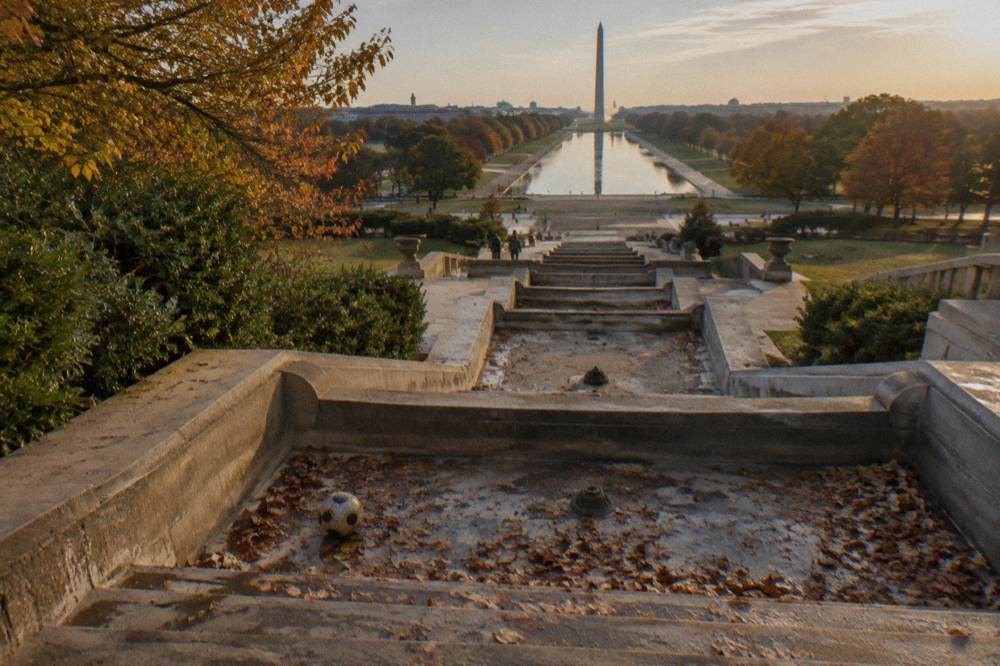
The U.S. National Arboretum in Northeast DC is the capital's most underrated free space: a sprawling spread of gardens, bonsai collections and the National Capitol Columns, all free with free parking. Meridian Hill Park in Columbia Heights is a landscaped cascade and fountain terrace, free and popular on Sunday afternoons. The Kennedy Center's Millennium Stage offers free performances most evenings, and the building's river terraces are free to wander even when nothing is on.
Arlington National Cemetery deserves its own sentence because the free line runs straight through it. Entry is free. The interior tram tour is paid, run by a private concessionaire, and parking is paid separately. You can walk the whole cemetery, including the Tomb of the Unknown Soldier viewing and the Kennedy gravesites, for nothing on foot via the Memorial Bridge. The site's dedicated answer on whether Arlington National Cemetery is free breaks down exactly where the free entry ends and the paid extras begin.
Which DC Attractions Are Not Actually Free?
The attractions that are not actually free are the International Spy Museum and George Washington's Mount Vernon. The Spy Museum uses dynamic, date-based pricing with no static published figure, so costs vary by visit date. Mount Vernon charges $30 for adults and for children 12 and up. Unlike many DC sites, neither offers a free tier, so budget for both if they are on your list. Museum of the Bible is normally $34.99 for adults but runs free admission every Tuesday through May 18, 2027. Washington National Cathedral is free for worship services but charges variable sightseeing admission, and two commonly cited "free" museums, the Folger Shakespeare Library and Planet Word, have admission statuses this site could not confirm either way.
The contested pair is worth being plain about. The Folger Shakespeare Library and Planet Word are both frequently described as free in general travel content, but a live check could not pin a specific, current, sourced admission policy for either against the operators' own pages. Treat both as unconfirmed rather than free or paid, and check the operator's own visit page before you plan around them.
| Attraction | Status | What you pay |
|---|---|---|
| International Spy Museum | Paid, dynamic pricing | No static figure published; pricing is date-based on the operator's own ticketing page |
| George Washington's Mount Vernon | Paid | $30 adult (12+) |
| Museum of the Bible | Conditionally free | $34.99 adult (18-64), free every Tuesday through May 18, 2027 |
| Washington National Cathedral | Conditional | Free worship services; sightseeing admission varies |
| Folger Shakespeare Library | Unresolved | Admission status unconfirmed |
| Planet Word | Unresolved | Admission status unconfirmed |
The pattern to notice is that DC's "free city" reputation is broadly accurate but not universal, and the exceptions are concentrated in the privately run attractions. Everything the federal government and the Smithsonian operate is free at the point of entry. The paid tier is almost entirely private museums and historic estates, plus the concessionaire extras inside otherwise free sites like Arlington's tram and the Zoo's parking lots.
How Do The Free Walking Tours Fit Into A Free DC Itinerary?
The three free walking tours on this site's roster, two GuruWalk listings run by guide Lisa and one freetour.com listing run by Blue Umbrella Tours, cost nothing to join: they are pay-what-you-want, you tip the guide at the end, and they cover the free monument corridor that would otherwise cost you only your time. They are not attractions in themselves, but they are the cheapest way to turn a free landscape into an explained one, and all three are honest about what they are: someone else's tour, on a named platform, that you can check before you book.
The third walk in the roster runs the same ground with a different operator. Free Tour The Mall Washington DC is a freetour.com exclusive run by Blue Umbrella Tours, a 2 hour and 30 minute English walk rated 8.7 out of 10 across 143 freetour.com reviews. It is the longest of the three and the only one from this operator, which makes it the natural comparison point if you want a second guide's take on the same free monuments.
The choice between them is a format choice, not a price one, since all three are free at the point of joining. The daytime walk is two hours from the World War II Memorial. The moonlight walk runs 1 hour and 30 minutes from the Albert Einstein Statue and suits a schedule packed with daytime museums. The Blue Umbrella walk is the longest and the only one not run by Lisa. The site's comparison guide on GuruWalk versus freetour.com in Washington DC lays out the differences operator by operator, and the tipping mechanics are explained in the free walking tour tipping guide.
Pairing the walks with the free attractions is where a DC itinerary becomes genuinely cheap. A day that starts with a morning Smithsonian museum, continues with the daytime monuments walk in the afternoon and ends with the moonlight walk costs nothing but food and transit. Add the National Zoo or the Arboretum on a second day, a government building tour on a third, and the total attraction spend for a three-day trip can be zero, a claim very few capital cities can support.
Common Questions About Free Attractions In DC
What Free Attractions Are In DC?
The free attractions in DC are the National Mall's monuments and memorials, the Smithsonian museums, the National Gallery of Art, the National Archives, the Library of Congress, the Capitol Visitor Center, the Bureau of Engraving and Printing, the Supreme Court, the National Zoo's admission, the U.S. Botanic Garden, the U.S. National Arboretum, Meridian Hill Park, the Kennedy Center's Millennium Stage and Arlington National Cemetery's entry. Two Smithsonian museums, NMAAHC and the Air and Space Museum's DC building, require a free timed pass.
Is the National Mall itself free?
Yes. The National Mall is a public park, free and open around the clock, and every memorial on it is free to visit. The only ticketed element inside the free landscape is the Washington Monument's elevator ascent, which uses free same-day tickets at the Lodge or a $1-per-ticket service fee when booked in advance.
Do any free DC attractions require a reservation?
Yes, several. The U.S. Capitol Visitor Center requires a reservation, the Bureau of Engraving and Printing requires a ticketed tour slot, NMAAHC and the Air and Space Museum's DC building require free timed-entry passes, and White House tours require a request through your member of Congress. None of these charges admission; the reservation manages capacity.
Is the National Zoo really free?
Admission to the National Zoo is free, with no ticket or timed pass. The condition is parking, which is paid at $30 in advance or $40 on the day. Arriving by Metrorail avoids the parking charge entirely.
Which DC museums are not free?
The International Spy Museum is paid, with dynamic date-based pricing and no static published figure. George Washington's Mount Vernon charges $30 for ages 12 and up. Museum of the Bible charges $34.99 for adults but is free every Tuesday through May 18, 2027. The Folger Shakespeare Library and Planet Word have unconfirmed admission statuses and should be checked with the operators directly.
Are the free walking tours in DC actually free?
The three walks on this site's roster, two GuruWalk listings and one freetour.com listing, are free to join on a pay-what-you-want basis, with the tip at your discretion at the end. They are run by independent guides and operators, not by this site, and each is listed on its named platform where the ratings and meeting points can be checked before you go.