Is The Smithsonian American Art Museum Free?
A concise answer to whether the Smithsonian American Art Museum is free, including pass requirements, nearby free museums, and a National Mall walk pairing.
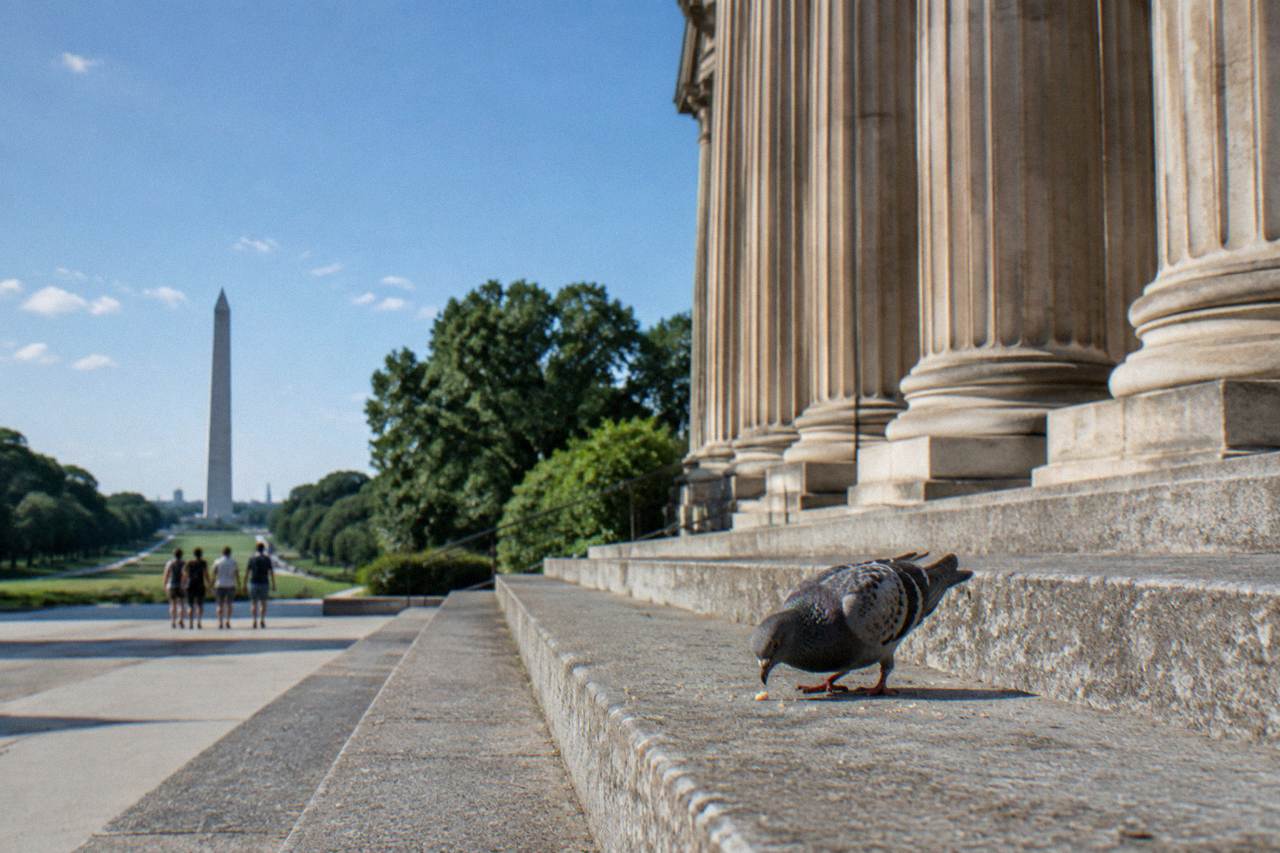
Is The Smithsonian American Art Museum Free?
Yes. The Smithsonian American Art Museum is free to enter and does not require a timed-entry pass. It is one of the Smithsonian's unconditionally free museums in Washington DC, so visitors can simply walk in during public hours. The building and its permanent collection galleries are covered by the same free admission policy.
The museum's no-cost door policy is straightforward, but the context around it is where visitors make mistakes. The Smithsonian's Washington footprint includes multiple free museums, and not all of them share the same entry rules. The official museum directory groups the American Art Museum with the walk-up free venues, while other Smithsonian sites use timed passes. The American Art Museum, the National Portrait Gallery, the Hirshhorn Museum, and the National Museum of Natural History all sit in the simpler, no-pass group.
The contrast matters for trip planning. The National Museum of African American History and Culture and the Smithsonian National Air and Space Museum's DC building both require free timed passes, even though admission itself is still free. The American Art Museum does not. That makes it one of the easier Smithsonian buildings to add to a full day, especially if you are already moving between the Monument corridor and the area north of it.
The size of the Smithsonian system explains why this question keeps coming up. Washington DC has 31 unconditionally free attractions in the site's verified research file, plus 9 conditional free entries and 2 paid with no free tier. The American Art Museum is in that 31, not in the conditional group. That means nobody at the door will ask you for a pass or a credit card.
There is also a scale point worth knowing. The Smithsonian comprises 20 museums plus the National Zoological Park, and ten of those museums sit directly on the National Mall. That volume of free options is part of why the city's free attraction list remains so useful. Destination DC counted a record 27.2 million visitors in 2025, with $11.9 billion in visitor spending. Free museums absorb a meaningful share of that traffic, and the American Art Museum is one of the more accessible entries.
For visitors planning several stops, the Free Things To Do In Washington DC free museums guide separates the walk-up-free Smithsonian buildings from the ones that need a pass. The short version is that the American Art Museum lands on the simpler side of that split.
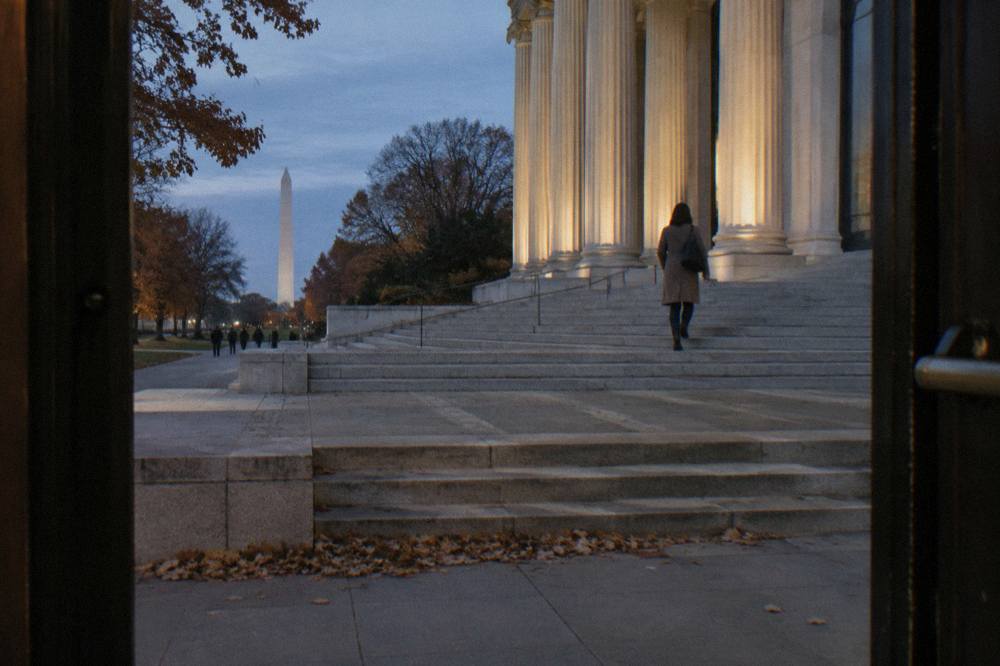
The building itself is part of the draw. A walk-up museum means you can decide at the last minute, which is rare among high-profile DC stops that now require a reservation. If another plan falls through or the weather changes, the American Art Museum becomes a natural indoor fallback without a booking problem.
That no-pass status also makes it a good anchor for a same-day itinerary. You can start at the museum, then walk south toward the Mall for the monuments, or do the reverse. The route is not a single continuous path, but the two zones sit close enough to share an afternoon.
Do You Need A Timed Pass Or Reservation To Visit?
No. The Smithsonian American Art Museum does not use the timed-entry pass system that affects some other Smithsonian buildings. Visitors do not need to reserve a ticket in advance or compete for a same-day pass. The stop works as a traditional walk-up museum, and admission remains free.
That distinction is the single most useful thing to know before you go. Several high-profile Smithsonian venues changed DC's free museum rhythm. The National Museum of African American History and Culture still requires free timed passes, and the Smithsonian National Air and Space Museum's DC building does too. The American Art Museum sits outside that group, so you do not need to watch a morning release time or plan thirty days ahead.
NMAAHC passes are released on a rolling basis up to 30 days in advance, and same-day passes appear online by about 8:15 a.m. That kind of mechanic is exactly what the American Art Museum does not ask of you. The Air and Space Museum's DC building is another common source of surprise. The museum has returned to a timed pass system, even though the building itself is a Smithsonian free museum. Visitors who assume all Smithsonian sites share one policy can lose a morning to a pass scramble. The American Art Museum avoids that.
The table below keeps the pass situation in one place.
| Smithsonian venue | Admission | Timed pass or reservation |
|---|---|---|
| Smithsonian American Art Museum | Free | None, walk-up entry |
| National Portrait Gallery | Free | None, walk-up entry |
| Smithsonian National Museum of Natural History | Free | None, walk-up entry |
| Smithsonian National Air and Space Museum, DC building | Free | Timed pass required |
| National Museum of African American History and Culture | Free | Timed pass required |
| Smithsonian's National Zoo | Free admission | No entry pass; parking paid |
The American Art Museum's row is the easiest: free and no pass. The two pass-based venues are still free, but they require a timed ticket. NMAAHC publishes its pass details on its plan-a-visit page, and those passes can go quickly in peak months. The American Art Museum avoids that entire layer.
That said, free admission does not erase every possible cost around a visit. The National Zoo, for example, has free entry but charges for parking. Advance parking is $30 and day-of parking is $40. That is a separate expense from admission and does not apply to the American Art Museum, but it is a useful reminder to check the full cost picture before assuming a Smithsonian stop is entirely expense-free.
Because the museum sits just north of the Mall, it fits naturally with a walking route that covers the monuments. The Daytime Monuments Walk, National Mall is a two-hour GuruWalk tour that meets at the World War II Memorial and moves through the central Mall corridor. This is a pairing rather than an on-route stop: the museum is a short walk north, so you can connect the two pieces without pretending the guide walks through the galleries.
How Should You Pair The American Art Museum With A Free Walking Tour?
The most practical pairing is to visit the museum before or after the Daytime Monuments Walk, National Mall, which meets at the World War II Memorial and runs about two hours. The museum is a short walk north of the Mall, so the combination works as a same-day plan rather than a single continuous route. Both stops are free, and the tour itself operates on a pay-what-you-want basis.
The Daytime Monuments Walk, National Mall is a free GuruWalk tour led by a local guide. See this free tour It covers the central monuments around the National Mall, and it meets at the World War II Memorial. Because it is pay-what-you-want, there is no up-front ticket price: you tip at the end according to what the walk was worth to you.
That model changes how you should think about a tour budget. A free walking tour is not a guaranteed zero-dollar experience, because tipping is expected, but it does mean you are not locked into a fixed admission price before the route begins. The museum, by contrast, is genuinely free at the door. Together they make a day where the only real costs are food, transit, and whatever tip you choose to leave.
Two hours is the clearest difference between the daytime walk and the museum visit. The walk stays outdoors and covers the monument corridor, while the museum gives you climate control and a slower pace. The daytime walk is rated 4.40 across 324 GuruWalk reviews, which is a meaningful review pool for a local walking tour. The rating belongs to the walk's GuruWalk listing, not to this site.
The pay-what-you-want model means the guide's income comes from tips. There is no upfront booking fee, but a tip is expected. If the walk helps you understand the Mall's layout, a fair tip keeps the free model workable. For more on how tipping works, the tipping guide explains the local norm.
After the museum, the walk back to the Mall is manageable, and the monument corridor keeps the day outdoors. The World War II Memorial, Lincoln Memorial, and Vietnam Veterans Memorial sit in a fairly compact stretch on the western side. That layout works well for a free itinerary: you can use the museum as a climate-controlled break, then rejoin the outdoor route without a second admission ticket.
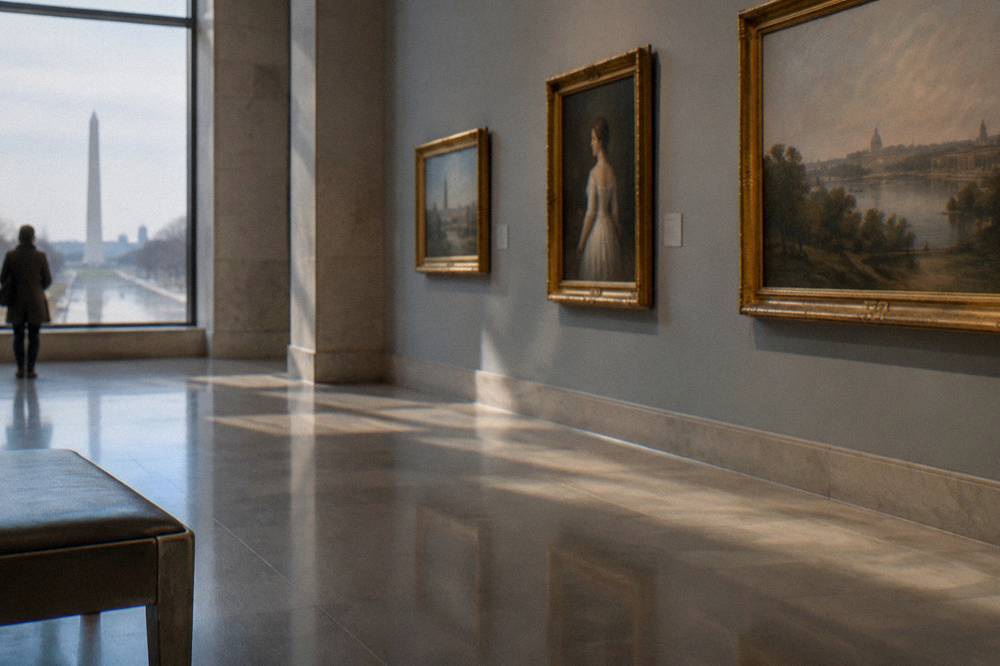
One timing note helps. If you are visiting in a warmer month, the air-conditioned museum makes a better midday stop, with the outdoor walk pushed earlier or later. The daytime walk runs about two hours, so the order is flexible. You do not need to schedule the museum tightly, because it has no timed entry.
What Else Is Free Near The Smithsonian American Art Museum?
Beyond the museum, the central Mall corridor gives you a long list of free stops: the Lincoln Memorial, Vietnam Veterans Memorial, Korean War Veterans Memorial, World War II Memorial, and the Washington Monument grounds all cost nothing. Several nearby Smithsonian buildings also remain free, so the museum can anchor a full day without an admission charge.
The outdoor memorials are the strongest complement. Most sit on the western and central Mall, open to pedestrians throughout the day. The Lincoln Memorial and the war memorials are unconditionally free, and the Washington Monument's grounds are free as well. The only paid layer at the monument is going up inside, and even that has a free same-day option at the Washington Monument Lodge. The National Park Service fees page explains the ascent ticket; if you book in advance, a $1 service fee applies, but the ticket itself is not the real cost driver.
Several other free museums sit near the Mall and are unconditionally free as well. The National Museum of American History, the National Museum of the American Indian, the Freer Gallery of Art, and the National Gallery of Art all appear on the free list without timed-pass markers. That means a museum-heavy day can stay entirely free, but it helps to know which buildings need a pass before you commit to a route.
For a wider look at the museum side, the free museums guide separates walk-up buildings from timed-pass venues. That matters because a visitor who assumes every Smithsonian museum works the same way can end up queuing for a pass they did not expect. The American Art Museum is on the easier side, but other free museums nearby, such as the National Museum of American History and the National Museum of the American Indian, are also walk-up free.
On the tour side, this site tracks Blue Umbrella's Mall Walk, a separate free tour from another operator. It is listed on freetour.com and runs about two and a half hours. The operator is different from the GuruWalk guide, so comparing the two listings is a fair way to find the pace and meeting point that fit your afternoon. The review profile is different too: Blue Umbrella's walk is rated 8.7 out of 10 across 143 freetour.com reviews.
The same free-corridor logic extends in several directions. Arlington National Cemetery is free to enter, but its interior tram tour and parking are separately paid. That mirrors the Washington Monument pattern: the core attraction is free, while a convenience layer has a price. The Is the Smithsonian free? post covers that broader distinction in more detail.
The Museum of the Bible is usually a paid museum, but it has a genuine free Tuesday window through May 18, 2027. That is a conditional free option worth knowing if you want an indoor stop that is not Smithsonian. The Kennedy Center's Millennium Stage is another free evening option, though it is not on the Mall. It gives a free performance most days, which can replace or extend a post-museum plan.
What Goes With The Museum After Sunset?
The museum itself closes in the evening, but the National Mall does not. The Monuments By Moonlight walk is a one-hour-and-30-minute GuruWalk route that meets at the Albert Einstein Statue and covers the memorials after dark. Pairing the museum with that evening walk turns one free day into two distinct experiences, without extra admission costs.
For travelers who want to keep the day free but avoid the midday heat, the order works well. Visit the American Art Museum in the afternoon, break for an early dinner, then join the moonlight walk. The evening route is run by the same GuruWalk guide as the daytime walk, and it is rated 4.26 across 65 GuruWalk reviews. The shorter duration makes it easier to add after a museum stop, since you are not committing to a long evening.
The after-dark route solves a common DC planning problem. Museums close, and visitors who only planned indoor stops find themselves with an empty evening. The Mall remains open, and the monuments are dramatically lit. A one-hour-and-30-minute walk covers enough ground to feel substantial without turning the night into an endurance event.
The moonlight walk meets at the Albert Einstein Statue, which is a useful landmark because it is less congested than the steps of the Lincoln Memorial. From there the route moves through the illuminated memorials. The shorter runtime means it does not overstay for travelers who already walked the Mall earlier in the day.
That pairing also works for a short trip. If you have one full day, you can cover the museum, the daytime monuments, a meal, and the moonlight route without paying an admission fee at any point. The only variables are walking stamina, weather, and how many indoor galleries you choose to linger in.
Is The Smithsonian American Art Museum Worth A Stop On A Short Trip?
Yes, for two reasons. It is free without a pass, and it is near enough to the National Mall to pair with the free monuments route. Visitors with limited time can treat it as a flexible indoor stop rather than a scheduled reservation; that is rare among the District's high-profile Smithsonian buildings.
The free status means the visit has low risk. If the museum is crowded or the group is tired, you can shorten the stop without losing ticket value. That flexibility is not true everywhere in DC. The pass-based Smithsonian venues ask you to commit to a window, while the American Art Museum lets you arrive and adjust. The permanent collection and the building itself are worth a walk-through, and the no-reservation setup makes it a useful backup when other plans shift.
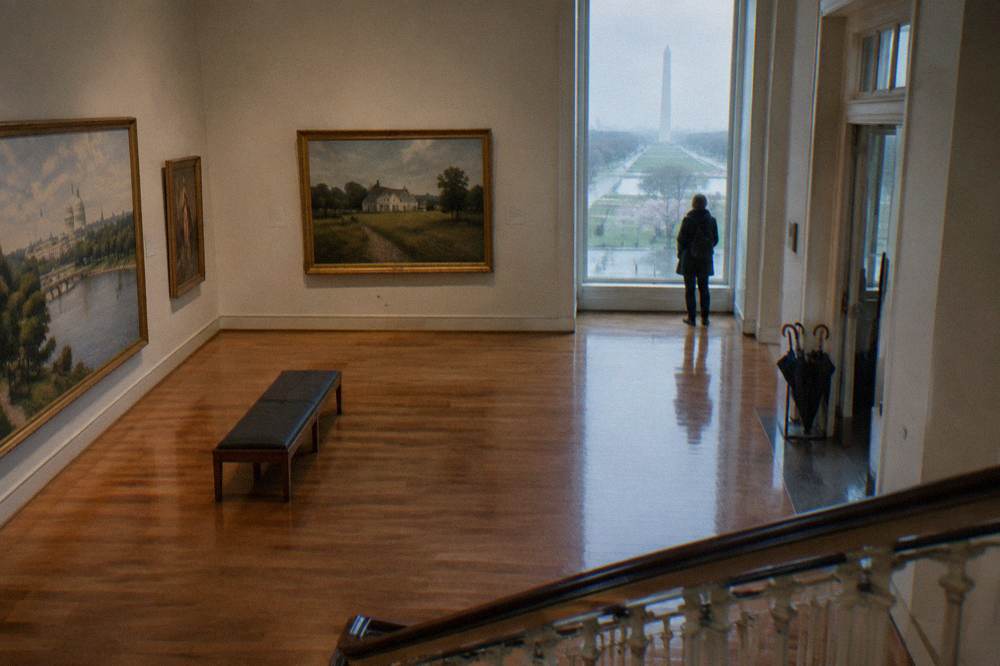
Paid attractions nearby make the free museum's value clearer. The International Spy Museum uses dynamic date-based pricing, so there is no static number to rely on. George Washington's Mount Vernon charges $30 for adults. By contrast, the American Art Museum sits on the zero-cost side, which is why it works so well as a core stop on a budget trip.
On a one-day DC itinerary, the American Art Museum makes a strong middle stop because it is free, indoor, and near the Mall. You can use it as a break between the Smithsonian's pass-based museums or as a starting point before the monuments. Families get the same low-stakes entry format: no timed pass means you can pivot if a child is tired.
Two nearby attractions, Folger Shakespeare Library and Planet Word, stay unresolved here, so the site does not call them free or paid until their own pages are checked directly. That honesty matters because a visitor who assumes every cultural stop follows the Smithsonian model can get the status wrong. The American Art Museum is not in that uncertain group.
All three walks on this site are free or pay-what-you-want, so the cost decision is mostly about timing, operator, and route focus. The daytime walk starts at the World War II Memorial, the moonlight walk starts at the Albert Einstein Statue, and the freetour.com option runs a longer two-and-a-half-hour route. For a museum and monuments day, the daytime route is the most natural bookend, but the evening route can make the same itinerary feel completely different.
Common Questions About The Smithsonian American Art Museum
Is The Smithsonian American Art Museum Free?
Yes. It is a free Smithsonian museum with no timed-entry pass. You can walk in during public hours without paying admission.
Do I need a ticket for the Smithsonian American Art Museum?
No. The museum does not require a timed-entry pass or reservation. This sets it apart from NMAAHC and the Air and Space Museum's DC building, which do.
What Smithsonian museums in DC require timed passes?
The National Museum of African American History and Culture and the Smithsonian National Air and Space Museum's DC building both require free timed-entry passes. The American Art Museum, National Portrait Gallery, and Natural History Museum do not.
Is the National Portrait Gallery free too?
Yes. The National Portrait Gallery is listed as unconditionally free with walk-up entry, similar to the Smithsonian American Art Museum.
Can I walk from the museum to the National Mall?
A short walk north of the Mall connects the museum area to the monument corridor. The pairing works as a same-day plan, but the museum is not on the exact monument route.