Is The US Capitol Tour Free?
Yes, the US Capitol tour is free. Here is how reservation works, what the Capitol Visitor Center includes, and how to pair the tour with DC's free walking tours.
Is The US Capitol Tour Free?
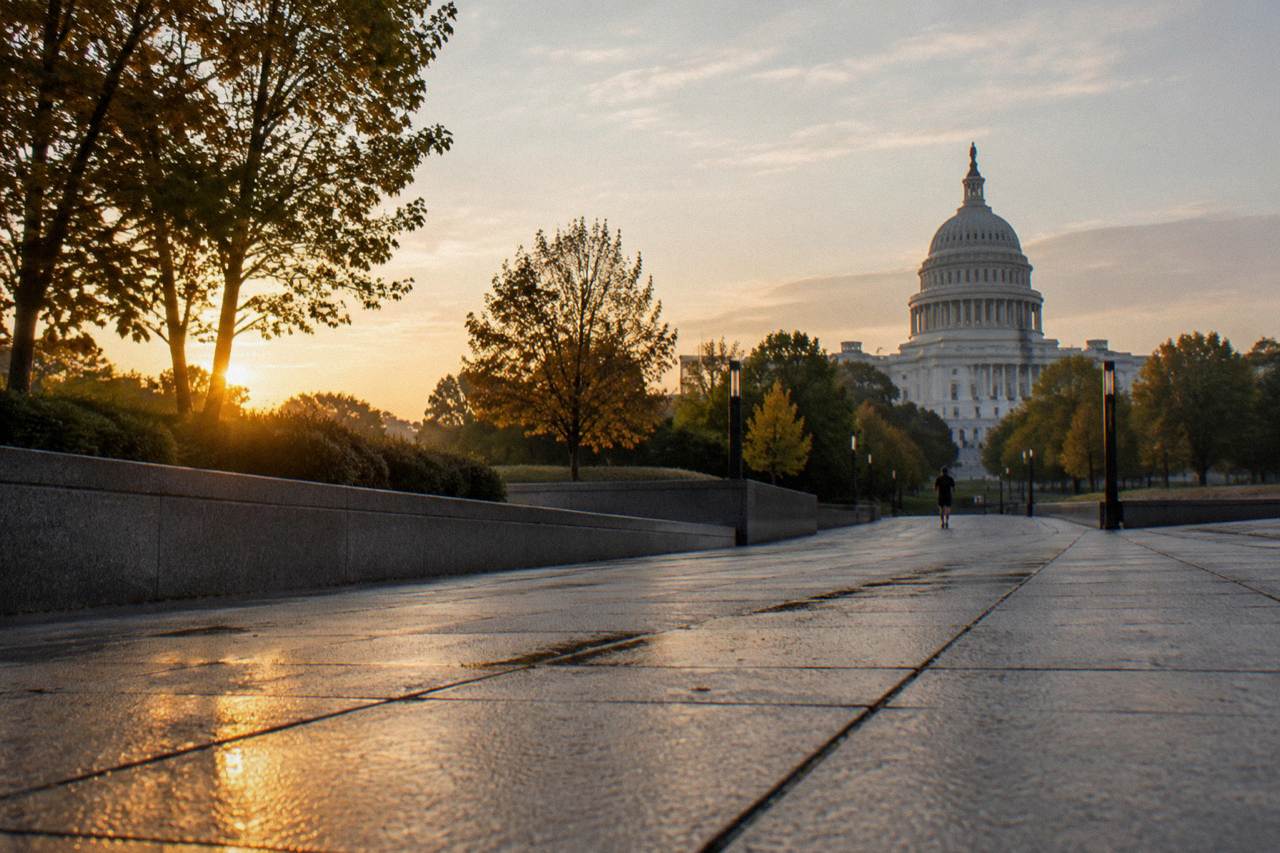
Yes, the tour of the United States Capitol is completely free, and so is entry to the Capitol Visitor Center beneath the building. The catch is logistical rather than financial: tours run on a reservation system, and walk-up availability depends entirely on how busy Congress and the visitor calendar are that day. Nothing in the standard guided experience carries a charge, and no operator sells a ticket you actually need.
The distinction matters because Washington DC is full of attractions where "free" comes with an asterisk. The Washington Monument's grounds cost nothing but the ascent needs a timed ticket. The Smithsonian's blanket walk-in reputation does not extend to the National Museum of African American History and Culture or the Air and Space Museum's DC building, both of which require a free timed pass. The Capitol sits in the cleaner category: the tour itself, the exhibition hall, and the visitor center are free, full stop. The only money you might spend is a dollar on the Metro or a sandwich in the cafeteria.
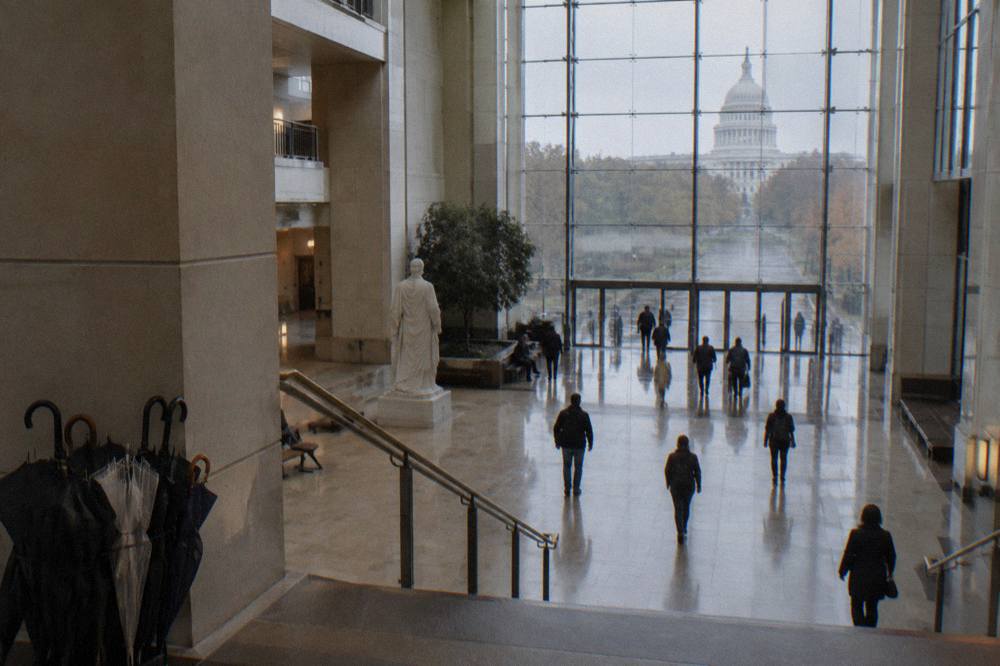
What you get for that nothing is a guided walk through the history and working spaces of the legislative branch. Tours pass through the Crypt, the Rotunda, and the National Statuary Hall, led by docents who know the building's architecture and its daily chaos in equal measure. The visitor center adds an exhibition gallery and a 10-minute orientation film that most visitors find genuinely useful for orienting themselves before the walk begins. If Congress is in session, the gallery above the House or Senate chamber may also be open to visitors who arrange passes separately through their representative or senator's office.
The official visitor information lives on the Capitol's own site, and it is worth confirming current hours and tour times there before you build a day around the visit: the Capitol Visitor Center's official pages. The site also explains the same-day pass system, which is the fallback for travelers who did not plan weeks ahead.
For context on just how much free sightseeing clusters in this one city, the numbers are striking. Destination DC counted a record 27.2 million visitors in 2025, generating $11.9 billion in visitor spending, and a large share of those visitors came specifically because the core attractions, the Mall, the memorials, the Smithsonian museums, and the Capitol, cost nothing to enter.
If you are building a full free day around the Capitol, this site's directory of free government tours covers the Capitol, Library of Congress, and National Archives as one combined plan, since all three sit within a short walk of each other.
How Do You Reserve A Free US Capitol Tour?
Reservation is handled through the Capitol Visitor Center's official booking system, and the standard route is an online booking that opens on a rolling basis before your visit date. There is no fee to reserve, no operator in the middle, and no paid "skip the line" product that does anything the free system does not already do. Same-day passes are also released when capacity allows, so a missed advance booking is not a missed tour.
The practical advice is to book as early as your travel dates allow. Advance reservations are released on a rolling window, and spring weeks, cherry blossom season, and summer holidays go first. When you book, you choose a time slot and receive a pass, which you present at the visitor center entrance along with standard security screening. Everyone in your party needs to be included in the booking, including children.
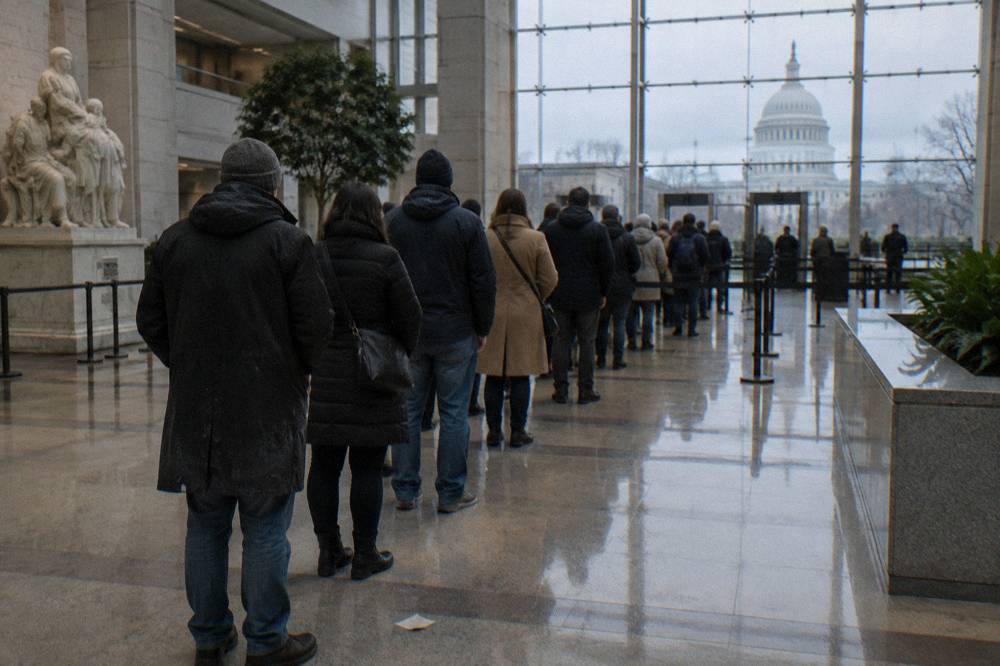
If you arrive without a reservation, ask at the visitor center's booking desks about same-day tour passes. These are distributed first-come, first-served, and availability varies with the congressional calendar and school group traffic. A quieter weekday morning in November is a very different proposition from a Saturday in April, when the Tidal Basin's cherry trees hit peak bloom and the whole city fills up. The most recent peak bloom landed on March 26, 2026, per the National Park Service's Bloom Watch, and that week is reliably the most competitive of the year for any timed or reserved DC attraction.
There is also a second, more interesting route: passes to watch Congress in session, or to visit the Senate or House galleries, are arranged through your own representative's or senator's office. Those offices also sometimes arrange staff-led tours for constituents, which cover the same public spaces with a personal touch. This is the same mechanism the White House tour uses, which requires a request through your member of Congress and is not something you can book online as a traveler. If you live in the United States, calling your representative's office a few weeks before a trip can upgrade a standard visit considerably, at the same price: nothing.
| Step | What you do | Cost | Notes |
|---|---|---|---|
| Advance tour booking | Reserve a time slot on the Capitol Visitor Center's official system | Free | Rolling release; book early in peak season |
| Same-day pass | Ask at the visitor center booking desk | Free | First-come, first-served; capacity varies |
| Gallery pass to watch Congress | Request through your representative or senator's office | Free | For US residents; arranged in advance |
| Orientation film and exhibition hall | Walk in at the visitor center | Free | Open to all visitors, tour or not |
| Cafeteria and gift shop | Buy food or souvenirs | Paid | Optional; the only spending in the building |
A note on third-party sellers: you will see "Capitol tour" products listed on travel marketplaces, sometimes bundled with other DC sights. The underlying tour is the same free one, and the marketplaces are selling convenience and bundling rather than access. There is nothing wrong with paying for a bundled day if the convenience suits you, but you should know that the Capitol itself is not behind that paywall.
What Does The Capitol Visitor Center Include?
The Capitol Visitor Center is a 580,000-square-foot underground complex beneath the Capitol that functions as the building's public entrance, and everything in it except the cafeteria and gift shop is free. It houses the tour departure point, an exhibition hall on the legislative branch, an orientation theater, and the booking desks. You can visit the exhibition hall even if you have no tour slot at all.
The exhibition hall is the underrated part. It displays documents, artifacts, and interactive pieces on how the Capitol and Congress work, including a touchable model of the Capitol dome and historic objects from the building's construction. Families with children tend to spend more time here than expected, because the exhibits are designed for people with no prior knowledge of congressional procedure, which is to say, nearly everyone. The hall also gives you something to do if your tour time is an hour away, which is a common gap on arrival.
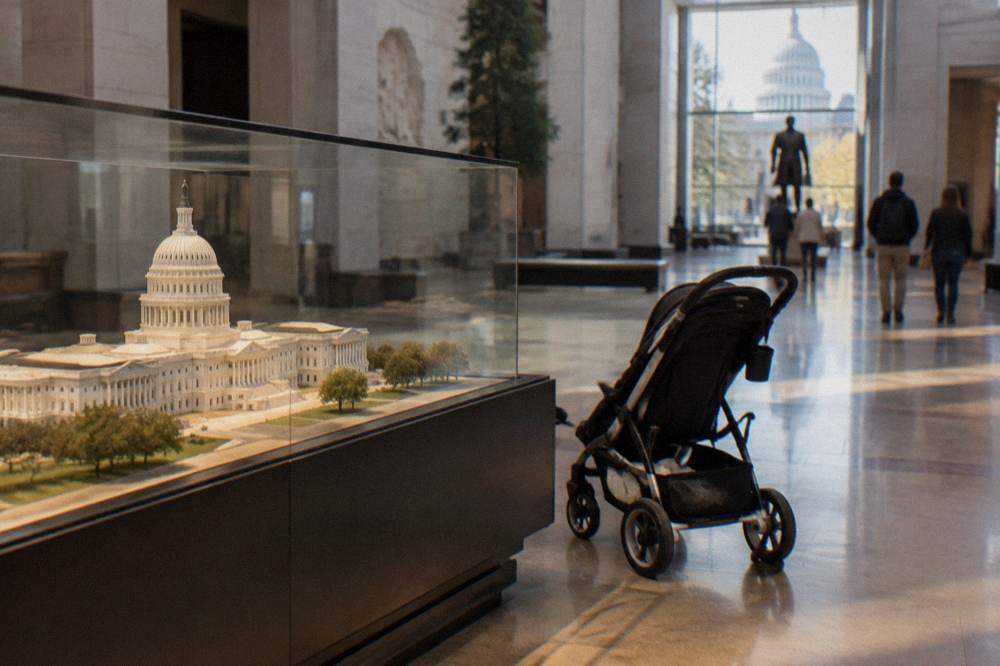
The visitor center is also the security checkpoint for the whole complex. Everyone passes through screening regardless of whether they are touring, so arriving 20 to 30 minutes before your slot is the standard advice. Bags are screened, and the usual federal building restrictions on large items and certain objects apply. Once through, you are underground but not in a bunker: the space is daylit through skylights that look up through the Capitol's east plaza, and the Emancipation Hall space is large enough that even peak-season crowds move through it without the crush you find at some DC security lines.
The visitor center's practical effect on a free DC itinerary is that it turns the Capitol from a photo stop into a half-day. Between the exhibition hall, the orientation film, the tour itself, and the walk back up to the Mall, a realistic visit runs two to three hours. That is comparable to the time a serious museum visit takes, which is exactly how you should budget it.
Can You Tour The Capitol Without A Reservation?
You can enter the Capitol Visitor Center without a reservation and use the exhibition hall, film, and cafeteria freely, but the guided tour itself requires a pass, either booked in advance or picked up same-day from the booking desk. There is no standing walk-up tour line in the way older guidebooks describe. The system has been reservation-based for years, and same-day passes are the walk-up equivalent.
The distinction between "free" and "unreserved" catches a lot of visitors. People read that the Capitol tour is free, assume free means walk in whenever, and arrive at 2 p.m. on a Saturday in late March to find the day's passes long gone. The fix is simple: check the official booking system the night before, or arrive early and go straight to the booking desk. On ordinary weekdays outside peak season, same-day passes are usually available without drama. During cherry blossom weeks, summer vacation months, and any week with a major event on the Mall, plan on booking well ahead instead. The rest of the planning pages sit on Free Things To Do In Washington DC.
The reservation system also means the Capitol pairs well with other timed attractions on the same day. If you have booked a morning Capitol slot, the afternoon can absorb the National Archives, which requires no ticket for entry but benefits from arriving outside midday peaks, or the Library of Congress, which is free to visit and sits directly across the street. The Library's Jefferson Building is arguably the most beautiful interior in the city, and its Great Hall and reading room views cost nothing. Details on its hours and access rules are on the Library of Congress's official visit pages.
If your whole day is unbooked and you prefer structure, a free walking tour of the Mall corridor gives you a guided experience with no reservation at all. The Daytime Monuments Walk, National Mall is a free, pay-what-you-want GuruWalk that runs about 2 hours, meets at the World War II Memorial, and is rated 4.4 across 324 GuruWalk reviews. It covers the West Mall memorial corridor, the same stretch of ground you would otherwise walk unguided between the Capitol grounds and the Lincoln Memorial, and it needs no advance booking the way the Capitol does.
The contrast is worth stating plainly: the Capitol is free but reserved, while the walking tours are free and open. Travelers who dislike locking in time slots can lean on the walks and treat the Capitol as a same-day gamble; travelers who like a fixed anchor in the day should book the Capitol and let the walks fill the gaps around it.
What Else Is Free Near The Capitol?
The blocks around the Capitol hold one of the densest clusters of free sightseeing in the country: the Library of Congress across the street, the Supreme Court next door, and the National Archives a short walk west, all free, plus the whole eastern end of the National Mall itself. You can build an entirely free day within a mile of the Capitol steps without repeating yourself or spending a dollar on admission.
The Supreme Court sits immediately northeast of the Capitol. Courtroom lectures and, when the Court is not sitting, courtroom viewing are free to visitors, and the ground-floor exhibits on the Court's history are open on the Court's public days. Like the Capitol, the Court has its own schedule rhythms, and oral argument sessions draw lines that form before dawn, but an ordinary visit is a low-friction add-on to a Capitol morning.
The Library of Congress is the strongest single pairing. Its Jefferson Building faces the Capitol across First Street, the two are connected by an underground passage on the visitor route, and the Great Hall's decoration alone justifies the stop. The Library is free to enter, and its Main Reading Room can be viewed from the gallery above. For the full picture of what the Library costs and how its access works, this site answers whether the Library of Congress is free to visit in detail, but the short version is: free, no ticket, bring photo ID for the reading rooms.
Beyond the immediate block, the eastern Mall stretches west from the Capitol grounds toward the Smithsonian museums. The Smithsonian's own scale is the headline fact: 20 museums plus the National Zoo, ten of them directly on the Mall, per the Smithsonian's official factsheet. Most of them are walk-in free, though the timed-pass exceptions, the National Museum of African American History and Culture and the Air and Space Museum's DC building, break the blanket rule and each need their own free pass. The Bureau of Engraving and Printing, a short walk south, runs free tours of money being printed, on its own schedule.
| Attraction | Distance from the Capitol | Cost | Access condition |
|---|---|---|---|
| Library of Congress, Jefferson Building | Directly across First Street | Free | Photo ID for reading rooms |
| Supreme Court | Next block northeast | Free | Court's public schedule applies |
| National Archives Museum | Short walk west on Constitution Ave | Free | Lines at peak times |
| National Mall, east end | At the Capitol's west front | Free | Open; subject to event closures |
| Bureau of Engraving and Printing | Short walk south | Free | Tours on set days and times |
The one caution for this cluster is event and session logistics. The Capitol grounds close or restrict for inaugurations, state occasions, and security events, and the surrounding streets follow suit. A planning check of official pages the week you travel is cheap insurance, and it is the same check you would run for the Mall's event calendar.
Is The Capitol Tour Worth It Compared To DC's Free Walking Tours?
The Capitol tour and the free walking tours are not competitors, they are complements: the Capitol covers the inside of one building in depth, while the walks cover the outside of the whole Mall corridor. Both are free, both are guided, and a visitor with two days should simply do both. If you only have one day, the choice comes down to whether you care more about Congress or about the memorials.
The walks deserve the comparison honestly rather than as filler. This directory features three of them, all free or pay what you want, and all run by independent guides rather than by this site. The Daytime Monuments Walk, National Mall is the daytime anchor: 2 hours from the World War II Memorial, rated 4.4 across 324 GuruWalk reviews, run on the GuruWalk platform. The evening alternative, Monuments By Moonlight, is a 1 hour and 30 minute walk meeting at the Albert Einstein Statue, rated 4.26 across 65 GuruWalk reviews, and it shows the lit memorials without the daytime crowds. The third, Blue Umbrella's Mall Walk, is a 2 hour and 30 minute tour from a different operator on freetour.com, rated 8.7 out of 10 across 143 freetour.com reviews. None of the three requires a reservation in the way the Capitol does, which is their main practical advantage.
The Capitol's advantage is depth and access. A docent-led walk through the Rotunda and Statuary Hall puts you inside the building where legislation actually happens, with the history of the structure told in the place it occurred. No Mall walk substitutes for that, and no walk can, because the walks are outdoors by design. The Capitol's disadvantage is rigidity: a fixed slot, a security line, and a route that touches one building while the walks touch a corridor of monuments spanning two miles.
The moonlight walk is the natural evening complement to a Capitol morning. Do the reserved Capitol tour in the morning when slots are plentiful and the heat is lower, spend the afternoon in the free museums, then let a walk carry you through the memorials after dark, when the Lincoln Memorial and the World War II Memorial are lit and quieter. That single day costs nothing in admission and covers the inside of the legislature and the outside of the Mall, which is most of what people mean when they say they came to see Washington.
For the full mechanics of how pay-what-you-want tours and tipping work, this site's guide to how free walking tours work in Washington DC covers the etiquette and the economics, including what a fair tip looks like on a two-hour walk.
The honest summary of this whole question is short. The US Capitol tour is free, reserved, and worth the reservation. The walking tours are free, open, and worth the tip. A good DC trip uses both, and the only real mistake is assuming either one costs money, because in a city that recorded 27.2 million visitors in a single year, the two best guided experiences remain the ones nobody charges for.
Common Questions About The US Capitol Tour
Is The US Capitol Tour Free?
Yes. The guided tour of the US Capitol is completely free, as is entry to the Capitol Visitor Center, its exhibition hall, and its orientation film. The only paid items inside the complex are the cafeteria and gift shop. You do need a reservation for the tour itself, booked through the Capitol Visitor Center's official system or picked up same-day from the booking desk, but the pass costs nothing.
How do I book a US Capitol tour?
Book a time slot through the Capitol Visitor Center's official reservation system, which releases slots on a rolling basis before your visit date. There is no fee. If advance slots are gone, same-day passes are distributed first-come, first-served at the visitor center's booking desks. US residents can also request gallery passes or staff-led tours through their representative or senator's office.
Can you visit the Capitol without a reservation?
You can enter the Capitol Visitor Center and use the exhibition hall, orientation film, and cafeteria without any reservation. The guided tour, however, requires a pass, either booked in advance or obtained same-day. There is no standing walk-up tour line; the same-day desk is the walk-up equivalent, and it runs out fastest during cherry blossom season and summer weekends.
What do you see on the free Capitol tour?
The standard tour passes through the Crypt, the Rotunda, and National Statuary Hall, guided by a docent who explains the building's architecture and history. The visitor center adds an exhibition gallery and a 10-minute orientation film. If Congress is in session, gallery passes to watch proceedings are available through your representative or senator's office.
Is the Capitol tour good for kids?
Yes, with the usual caveats about a reserved, security-screened, indoor tour. The exhibition hall is genuinely kid-friendly, with interactive displays and a touchable dome model, and docent tours run about an hour, which is short enough for most school-age children. Arrive 20 to 30 minutes early for screening, since standing in line is the part children like least.
Can you pair the Capitol tour with a free walking tour the same day?
Yes, and it is a natural pairing. Book a morning Capitol slot, spend the afternoon in the free museums nearby, and finish with a free, pay-what-you-want walking tour of the Mall memorials in the evening. The Daytime Monuments Walk, National Mall runs about 2 hours from the World War II Memorial, and the evening Monuments By Moonlight walk covers the lit memorials in 1 hour and 30 minutes.